A sensitive tooth before a busy week, gums that bleed when you brush, or a smile you have stopped showing in photos can all prompt the same question: which Leytonstone dental options are right for me? The best answer is rarely a one-size-fits-all treatment. It begins with a careful assessment, an honest conversation about your priorities, and a plan that feels manageable for your health, time and budget.
For many people, dentistry is easiest to approach in stages. Start by protecting the foundations of your oral health, then consider restorative or cosmetic treatment where it will make a meaningful difference. A friendly local team should explain what is clinically necessary, what is elective, and what each option involves before you make a decision.
Leytonstone dental options for everyday care
Routine dental care is where a healthy smile is built. Regular check-ups allow your dentist to look for early signs of tooth decay, gum disease, worn teeth and other changes that may not yet be causing discomfort. Treating a small concern early can often be simpler than waiting until it becomes painful or affects the way you eat.
A check-up is also your opportunity to raise the things that may seem minor but are bothering you: sensitivity to hot or cold foods, food trapping between teeth, a rough edge, jaw discomfort, or a change in the appearance of your gums. Clear answers matter. You should leave knowing what has been found, why a treatment is or is not recommended, and what the next steps are.
Hygienist care and gum health
Hygienist appointments focus on the area many people find difficult to manage alone: plaque and hardened deposits around the gumline and between teeth. Professional cleaning can support healthier gums, fresher breath and a cleaner feel, while practical advice can help you improve your routine at home.
Bleeding gums are not something to ignore simply because they do not hurt. They can be a sign of gum inflammation, and a hygienist can help identify the likely causes and show you where brushing or interdental cleaning needs more attention. The frequency of hygienist visits depends on your individual gum health and risk factors, rather than a fixed schedule for everyone.
Fillings and restorative treatment
When decay or damage affects a tooth, a filling can restore its shape and function. The right approach depends on the size and position of the problem, how much healthy tooth remains, and the forces placed on that tooth when you bite. Tooth-coloured materials can often provide a natural-looking result, particularly where the tooth is visible when you smile.
Restorative dentistry is not only about repairing cavities. It can also address chipped edges, old fillings that have broken down, and teeth affected by wear. Your dentist should talk through the benefits and limitations of the available materials, including how they may look and perform over time.
Choosing treatment for a healthier, more confident smile
Once your oral health has been assessed and stabilised, you may wish to explore treatments that improve the alignment, colour or overall appearance of your teeth. These choices are personal. Some patients want a subtle change before a wedding or milestone birthday, while others are looking for a long-term solution to a functional concern.
The most suitable treatment is not necessarily the quickest or most visible one. It should protect your natural teeth, suit your bite and fit comfortably into your day-to-day life.
Straightening with Invisalign
Invisalign uses a series of clear, removable aligners to gradually move teeth. It can be a popular option for adults who would prefer a discreet alternative to fixed braces, particularly where crowding, spacing or a bite issue affects confidence or cleaning.
Treatment requires consistency. Aligners need to be worn as advised and removed for eating and drinking anything other than water, so it suits patients who are happy to follow a structured routine. A consultation is essential because not every alignment concern can be treated in the same way, and the length of treatment varies from person to person.
Composite bonding for small changes
Composite bonding uses a tooth-coloured resin to refine the shape of a tooth. It may be considered for small chips, uneven edges, minor gaps or teeth that appear slightly irregular. The material is carefully shaped and polished to blend with the surrounding smile.
This can be a conservative option because it may require little or no removal of natural tooth structure. However, composite can stain or chip over time, especially with habits such as nail biting or biting hard objects. Good home care, regular reviews and an understanding of maintenance needs are part of choosing bonding well.
Whitening with professional guidance
Professional whitening can brighten the natural shade of your teeth, helping with staining from tea, coffee, red wine or smoking. It is worth knowing that whitening does not change the colour of crowns, fillings or bonding. If you have visible dental work, your dentist can explain how this may affect the final appearance and whether treatment should be planned in a particular order.
Enlighten whitening and Philips Zoom! whitening offer different approaches, so a discussion about your desired result, sensitivity history and timescale is useful. Whitening should only be considered after your teeth and gums have been checked. If decay, leaking fillings or active gum problems are present, these should be addressed first.
Dental implants for missing teeth
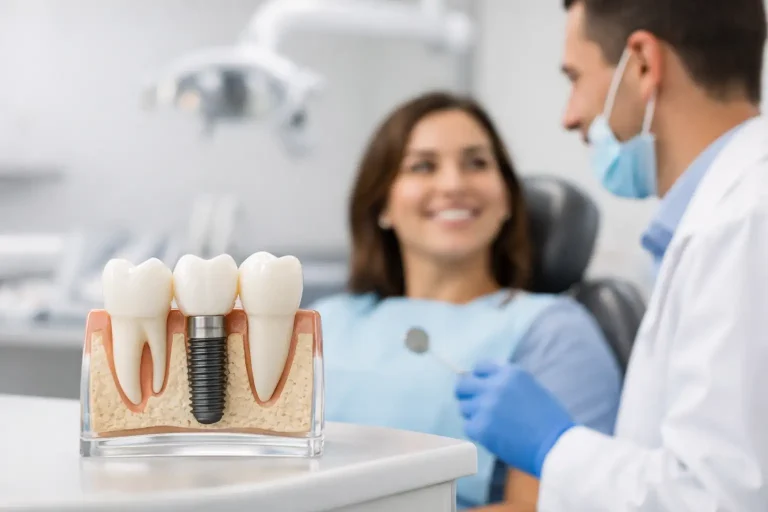
A missing tooth can affect more than a smile. It may change the way you chew, allow neighbouring teeth to move, or leave you feeling self-conscious. Dental implants are designed to replace a missing tooth root and support a replacement tooth that is fixed in place.
Implant treatment is a significant investment in both time and planning. Suitability depends on factors such as gum health, bone levels, general health and the position of the missing tooth. A thorough assessment allows your clinician to discuss whether an implant is appropriate, what the process involves and the aftercare needed to protect the result.
How to make a confident dental decision
When comparing dental treatments, it helps to ask practical questions rather than focusing only on the final look. Ask what the treatment is designed to solve, what alternatives exist, how long it may take, and what maintenance is likely afterwards. You should also understand the expected costs before treatment begins, including whether staged care or 0% finance options could make a larger plan easier to budget for.
Patient comfort matters too. If you have felt anxious at previous appointments, say so early. A considerate team can allow time for questions, explain each stage in plain language and agree on a pace that feels right for you. Feeling listened to is not an extra – it is part of good care.
At Eyespy Eye and Dental Care, patients can access routine, restorative and cosmetic dentistry in a welcoming independent practice, with the benefit of clear explanations and personalised treatment planning. For local families, it can also be helpful to arrange dental care alongside eye care in one familiar setting.
Your next appointment does not need to commit you to a major treatment. It can simply be a chance to understand the condition of your teeth and gums, talk through your goals, and make a well-informed choice when the time is right.