Losing a tooth changes more than your smile. It can affect how you eat, how clearly you speak, and how confident you feel when you laugh or meet someone new. For many patients looking into dental implants Leyton, the main question is not simply whether implants work – it is whether they are the right fit for their mouth, lifestyle and budget.
Dental implants are often seen as the closest replacement to a natural tooth, but they are not a one-size-fits-all treatment. The best decisions come from understanding what the process involves, where the benefits are strongest, and where a different option may sometimes make more sense. A good consultation should leave you feeling informed rather than rushed.
Why dental implants can be such a strong long-term option
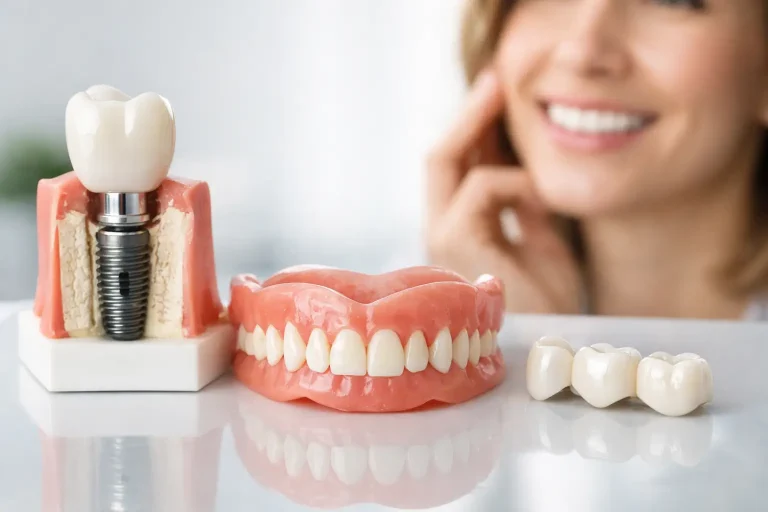
An implant replaces the root of a missing tooth as well as the visible part above the gum. A small titanium post is placed in the jawbone, where it heals and integrates with the bone over time. Once that foundation is secure, the final restoration is fitted to restore appearance and function.
That structure matters. Traditional options can replace the gap, but implants are designed to support the bone and avoid relying on neighbouring teeth for support. This is one reason many people choose them when they want something that feels more stable and natural in daily life.
For some patients, the biggest benefit is confidence. They do not want a removable solution, and they do not want to feel cautious every time they bite into something firmer than a sandwich. For others, it is about protecting the rest of the mouth. If a missing tooth is left untreated, surrounding teeth can begin to drift, and the bite can gradually change.
Dental implants Leyton patients usually ask about first
Most people start with three practical concerns – pain, timing and cost. All three are reasonable, and all three depend on the details of the case.
Implant treatment is usually more comfortable than patients expect. The procedure is carried out with local anaesthetic, and while some tenderness afterwards is normal, many people compare recovery to a routine extraction or other minor dental treatment. The first few days tend to involve mild swelling or soreness rather than severe pain.
Timing varies. Some implants can be planned more quickly, while others need a staged approach, especially if the tooth has been missing for a long time or the area needs additional preparation. Healing is a key part of success, so faster is not always better. A clinician should explain not just the treatment itself but why your timeline looks the way it does.
Cost is often where hesitation sets in. Implants are an investment, and they usually cost more upfront than other tooth replacement options. That said, they can offer value over the longer term because they are designed for durability and stability. Transparent pricing and clear discussion of finance options matter here. Patients should never feel they have to guess what is included.
Are you a suitable candidate for implants?
Many adults are suitable for implants, but not every mouth is ready immediately. The health of the gums, the amount of bone present, and general oral hygiene all play an important role. Smoking, uncontrolled gum disease and certain health conditions can affect healing, which is why proper assessment is essential.
This does not always mean a straight yes or no. Sometimes it is a yes, but with preparation. A patient may need gum treatment first, a tooth may need to be removed and allowed to heal, or additional planning may be needed to make sure the implant is placed in the right position. The strongest outcomes usually come from taking the time to get the foundations right.
Age on its own is not usually the deciding factor for adults. What matters more is oral health, healing ability and whether the treatment is appropriate for the space being restored. Someone in later life may be an excellent implant candidate if the surrounding tissues are healthy and expectations are realistic.
What the dental implant process usually involves
The first stage is assessment. This includes examining the mouth, reviewing the missing tooth area, and taking the necessary imaging to understand bone levels and positioning. This planning stage is where good implant treatment begins. Precision matters, because the implant needs to work well mechanically and also look right once the final tooth is in place.
If the area is suitable, the implant is placed into the jawbone. After that comes a healing period, during which the implant integrates with the bone. This stage can take several months depending on the case. It may feel quiet from the patient’s side, but it is one of the most important parts of treatment.
Once healing is complete, the final crown is attached. At that point, the aim is for the implant to blend naturally with your smile and allow you to chew comfortably again. A well-made restoration should not just fill a gap – it should feel proportionate, stable and easy to clean.
How implants compare with other ways to replace a tooth
Implants are a strong option, but they are not automatically the best choice for everyone. Bridges and dentures still have a place in dentistry, and the right option depends on clinical needs, personal preference and budget.
A bridge may be quicker in some cases, but it often involves the teeth next to the gap. If those teeth are already heavily restored, that may be reasonable. If they are healthy and untouched, some patients prefer not to alter them. A denture can be a practical and cost-effective solution, particularly when multiple teeth are missing, but not everyone likes the feel of a removable appliance.
Implants tend to appeal to patients who want something fixed, independent and as close as possible to a natural tooth. The trade-off is that treatment takes planning and patience, and it generally costs more at the outset. Honest advice should include both sides.
Looking after dental implants Leyton patients choose
Implants do not get decay, but they still need proper care. The gums and bone around them must stay healthy, which means brushing well, cleaning between the teeth, and attending regular check-ups and hygiene visits. An implant can last many years, but long-term success depends on maintenance as much as placement.
This is another reason aftercare matters. Patients should know how to clean around the implant, what signs to watch for, and when to come back if something feels different. Bleeding gums, soreness or changes in how the bite feels should not be ignored.
A good dental team will explain this clearly from the start. Implant treatment should not feel like a handover at the end of the procedure. It is an ongoing part of your oral health.
Choosing a local provider for dental implants
When people search for dental implants in or around Leyton, they are often looking for more than technical skill. They want a practice that explains the options properly, is transparent about fees, and treats them like a person rather than a slot in the diary.
That local, independent approach can make a real difference. You are more likely to feel comfortable asking questions, discussing concerns about cost, and coming back for the reviews and maintenance that support long-term success. For a treatment that takes place over time, trust matters.
At Eyespy Eye and Dental Care, that kind of care is central to how treatment is delivered – with clear explanations, personalised planning and a focus on helping patients feel at ease throughout the process. For many people, that reassurance is just as valuable as the treatment itself.
When is the right time to ask about implants?
Sooner is often better than people think. If a tooth has recently been lost, or if you know one may need to be removed, it is worth discussing replacement options early. Leaving a gap for too long can sometimes make treatment more complex later because the bone and surrounding teeth may change over time.
That does not mean you have missed your chance if the tooth has been absent for years. Many patients still go on to have successful implant treatment after a long gap. It simply means planning becomes even more important.
If you are weighing up dental implants Leyton, the most useful next step is not guessing from online searches or putting it off for another year. It is having a proper conversation, getting a clear assessment, and understanding what would work best for your mouth now and in the long run.