A pair of glasses should do more than help you read a screen or recognise a bus number. They should feel comfortable from morning to evening, suit the way you live, and give you clear vision where you need it most. For prescription glasses South Woodford residents can feel confident wearing, the process should begin with a proper conversation, not a rushed choice from a display wall.
At an independent practice, choosing glasses is personal. Your prescription matters, of course, but so do the shape of your face, how often you use a computer, whether you drive at night, and what feels right when you look in the mirror. Taking a little more care at the start can make a noticeable difference every day.
Prescription glasses in South Woodford start with your eyes
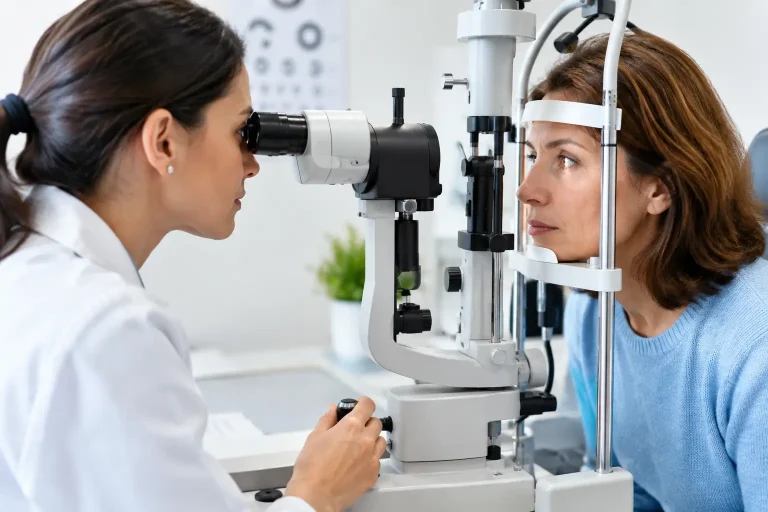
It is tempting to treat an eye test as a quick route to a new pair of frames. In reality, a thorough examination is about much more than confirming whether your vision has changed. It gives your optometrist the opportunity to assess your eye health, discuss any symptoms you have noticed, and understand how your current glasses are working for you.
Perhaps your eyes feel tired after work, you are holding reading material further away, or road signs seem less sharp in poor weather. These details help shape the advice you receive. A prescription can be clinically accurate but still not solve every practical frustration unless it is considered alongside your routine.
If you already wear glasses, bring them to your appointment. Knowing what you like and dislike about your current pair is useful. You may be happy with the clarity but find the frames slip, pinch behind the ears, or feel too heavy. Equally, you may need a different lens design because your work, hobbies or visual demands have changed.
Choosing frames that you will actually wear
A frame should flatter you, but comfort and fit are just as important. Glasses that are too wide can slide down your nose. Frames that are too narrow can press at the temples. The bridge needs to sit securely, while the arms should rest comfortably without creating pressure points.
There is no single frame shape that suits everyone. The best choice depends on facial proportions, prescription strength, personal style and the type of lens required. Someone with a stronger prescription may prefer a smaller frame to help manage lens thickness at the edges, while another person may prioritise a lighter material for long working days.
A good dispensing consultation gives you time to try different options and ask straightforward questions. You should not feel pushed towards a frame simply because it is fashionable or expensive. A well-chosen everyday pair is one you are pleased to put on, whether you are heading to the office, taking children to school or meeting friends at the weekend.
For children, fit is particularly important. Young wearers can be active, and glasses need to stay in place while remaining comfortable. Regular checks and adjustments can help keep their frames sitting correctly as they grow.
The right lenses depend on how you use your glasses
Frames get most of the attention, but lenses do most of the work. The right option depends on your prescription and when you need visual correction. Single-vision lenses can be ideal for one main distance, such as reading or distance vision. Varifocal lenses allow many people to see clearly at different distances without changing between pairs, though they can take a short period of adaptation.
If screens are a large part of your day, discuss your working distance honestly. A laptop, desktop monitor and mobile phone are all used at different ranges. Your optometrist or dispensing team can help identify whether your existing lenses are suited to that pattern, rather than assuming one solution fits every desk-based role.
Lens coatings can also improve day-to-day comfort. An anti-reflective coating can reduce distracting reflections and make lenses look clearer. A scratch-resistant coating offers added protection, although no lens is completely scratch-proof. Thinner lenses may improve appearance and reduce weight for stronger prescriptions, but they are not always necessary for every frame or prescription.
For driving, glare from headlights and wet roads may be a concern. For outdoor time, prescription sunglasses can be a practical second pair. The key is to choose based on genuine need, not add-ons you may never use. Clear explanations about the benefits, limitations and cost of each choice make it easier to decide with confidence.
Why accurate fitting matters after you choose
Even excellent lenses and attractive frames can disappoint if the glasses have not been fitted correctly. The position of the frame affects how you look through the lenses, particularly with varifocals and more complex prescriptions. Small measurements and careful adjustment are not minor details – they are central to comfortable, clear vision.
When collecting your glasses, take a moment to check how they feel. Look at different distances, move your head naturally and mention anything that seems unusual. A short settling-in period is normal with a new prescription or varifocal lenses, but discomfort, persistent blur or frames that keep slipping should be reviewed rather than tolerated.
Glasses can also need adjustment over time. Everyday use, changes in temperature and the occasional knock can alter their fit. A local practice is valuable here: you have somewhere to return to for practical support rather than being left to manage a problem alone.
When should you update your prescription glasses?
You do not need to wait until your glasses are visibly damaged to book an eye examination. Blurred vision, frequent headaches, eye strain and difficulty focusing are all sensible reasons to arrange a check. If you are finding night driving harder or are relying more heavily on brighter light to read, it is worth mentioning this too.
However, changing glasses is not always the answer. Sometimes an adjustment, a professional clean or a conversation about how you are using your current pair can resolve the issue. Personal advice is helpful because it avoids replacing something that still works well while ensuring genuine changes are not overlooked.
Regular eye examinations are especially worthwhile for children, adults with a family history of eye conditions, and anyone managing health changes that may affect vision. Your optometrist can recommend an appropriate review schedule for you rather than offering a one-size-fits-all answer.
Personal optical care close to home
For people living in and around South Woodford, convenience should not mean compromising on care. A local independent practice can take the time to explain your prescription in plain English, help you compare suitable frame and lens choices, and provide support after you collect your glasses.
At Eyespy Eye and Dental Care, the focus is on making optical care feel straightforward and reassuring. Whether you need your first pair of glasses, a replacement after a prescription change, or help finding a more comfortable option, the aim is clear advice without pressure.
The best glasses are the pair you stop thinking about because they simply help you see and feel like yourself. Start with an eye examination, be open about what is not working, and give yourself the benefit of a fitting that is tailored to you.