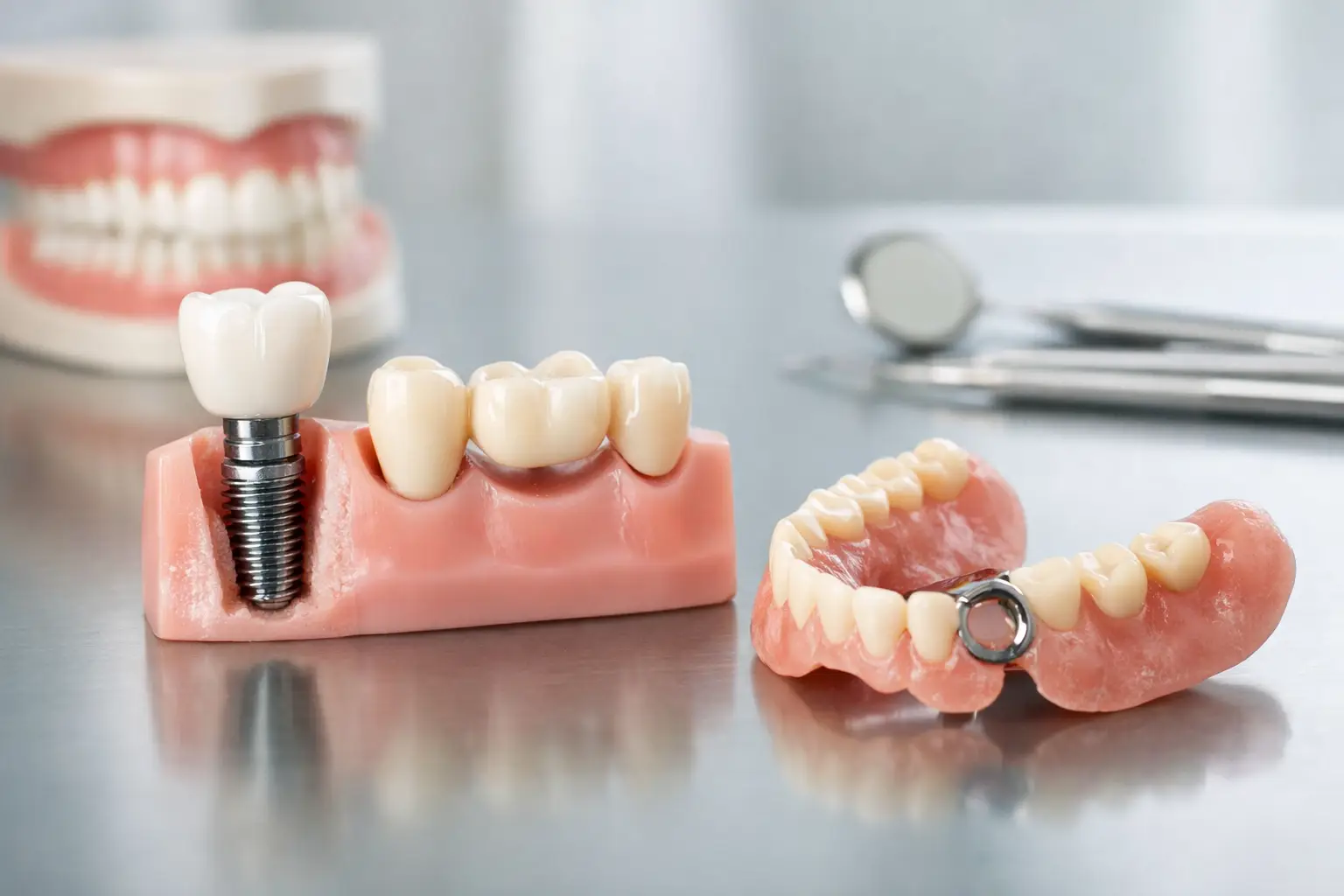
A missing tooth can change more than a smile. You may find yourself chewing on one side, avoiding certain foods or feeling less confident in photos and conversation. The best options for missing teeth depend on where the gap is, how many teeth are affected, the health of nearby teeth and gums, and what feels manageable for your lifestyle and budget.
There is no one treatment that suits everybody. A good dental assessment should give you clear choices, explain the benefits and limitations of each, and leave you feeling informed rather than pressured.
Why replacing a missing tooth can matter
A gap is not always an emergency, particularly if it is at the back of the mouth and is not causing discomfort. However, leaving a space for a long time can lead to changes that make future treatment more complicated. Neighbouring teeth may gradually drift towards the gap, while the tooth opposite can over-erupt because it no longer meets a biting surface.
Missing teeth can also affect how evenly you bite and chew. When several teeth are missing, it may become harder to enjoy a varied diet or speak as clearly as usual. Replacing a tooth is therefore often about protecting everyday function as well as restoring appearance.
The best options for missing teeth
The main choices are a dental implant, a bridge or a removable denture. Each has a different balance of longevity, treatment time, cost and maintenance. The right choice begins with an honest look at your mouth, not a one-size-fits-all recommendation.
Dental implants
A dental implant replaces the root of a missing tooth with a small titanium fixture placed in the jawbone. Once it has integrated with the bone, it supports a custom-made crown designed to match the surrounding teeth. Implants can also be used to support bridges or stabilise dentures when more than one tooth is missing.
For many people, an implant feels closest to having a natural tooth again. It is fixed in place, does not rely on neighbouring teeth for support and can help preserve the bone in the area of the missing tooth. You brush and clean around it as part of your normal daily routine, with particular care around the gumline.
The trade-off is that implant treatment takes time and requires a suitable foundation of healthy bone and gums. It also involves a minor surgical procedure and regular reviews are essential. Smoking, untreated gum disease, certain health conditions and grinding or clenching can all affect planning and long-term success, although they do not automatically rule treatment out. In some cases, additional preparation may be needed before an implant can be placed.
Dental bridges
A bridge fills a gap by attaching an artificial tooth to the teeth on either side, or in some cases to one adjacent tooth. Conventional bridges are fixed and can provide a natural-looking, stable result without the surgical stage involved in an implant.
A traditional bridge may require the supporting teeth to be shaped so that crowns can be fitted over them. This can be a sensible option where those teeth already have large fillings or crowns, but it is less appealing when neighbouring teeth are completely healthy. An adhesive bridge, often used for a front tooth, can sometimes be bonded to the back of an adjacent tooth with minimal alteration.
Bridges are usually quicker to complete than implants and may be a practical choice if bone levels are limited or a patient prefers to avoid surgery. They do need careful cleaning underneath the replacement tooth. A dentist can show you how to use interdental brushes or floss threaders so food and plaque do not build up around the supporting teeth.
Partial and full dentures
A removable denture can replace one tooth, several teeth or a full arch. Modern dentures can look far more natural than many people expect, particularly when they are carefully designed to suit the shape of your face, gums and remaining teeth.
Dentures can be a cost-conscious route to restoring function, especially where multiple teeth are missing. They are also useful when the mouth needs time to heal after extractions, or when a fixed solution is not currently suitable. They can be removed for cleaning and are generally less invasive than other options.
Adjustment is normal. A new denture can feel bulky at first, and eating or speaking may take a little practice. Over time, the gums and bone beneath a denture can change shape, so it may need adjustment, relining or replacement to keep it comfortable. Some people with loose lower dentures may discuss implant support to improve stability, depending on their clinical needs.
Leaving the space untreated
In selected situations, monitoring a gap can be reasonable. This may apply where the missing tooth is at the back of the mouth, your bite remains stable and there is no concern about nearby teeth moving. It can also be appropriate while you consider longer-term treatment or address gum health first.
The key is that this should be a considered clinical decision rather than something left unreviewed. Regular examinations allow your dentist to check for changes in your bite, gum health and the position of surrounding teeth.
How to choose the right replacement
The best way to choose is to start with your priorities. If you want a fixed option that avoids altering adjacent healthy teeth, an implant may be worth considering. If you need a fixed replacement within a shorter timeframe, a bridge may be more appropriate. If several teeth are missing or you are looking for a removable, lower-cost solution, a denture may make most sense.
Your dentist will also consider factors that are easy to overlook at home: bone volume, gum condition, the strength of your bite, existing restorations, the visibility of the gap and how easy the area will be to clean. A front tooth and a back molar do not always call for the same approach.
Cost deserves a straightforward conversation too. The initial cost of an implant is often higher than a bridge or denture, but the value of any treatment should be considered alongside its expected lifespan, maintenance needs and likely future replacements. Asking for a written treatment plan helps you understand what is included and plan with confidence. For suitable treatment plans, 0% finance options may also make costs easier to spread.
What happens at a missing-tooth consultation?
A thorough consultation should feel calm and practical. Your dentist will examine the teeth and gums, discuss your dental and medical history, assess your bite and may take X-rays or scans to understand the bone and roots beneath the surface.
You should come away knowing what is clinically possible, what preparation may be required, how long treatment is likely to take and how to care for the result. If there are several viable choices, it is reasonable to ask why one has been recommended over another, what could happen if you wait, and what ongoing costs to expect.
There is also no need to feel embarrassed if the tooth was lost years ago or if you have delayed visiting the dentist. The focus should be on where you are now and how to help you move forward comfortably.
Caring for your replacement tooth
No replacement is maintenance-free. Implants and bridges need careful brushing, cleaning between teeth and regular dental and hygienist appointments. Dentures should be removed and cleaned daily, and the gums, tongue and any remaining natural teeth still need attention.
If you notice bleeding gums, a loose restoration, a change in your bite, pain when chewing or a denture that rubs, arrange a review rather than trying to manage it alone. Small changes are often easier to address early.
For patients in Leytonstone and the surrounding East London area, Eyespy Eye and Dental Care can talk through your options in plain language and help you choose a treatment plan that feels right for your smile, health and circumstances. The most helpful next step is simply to book an assessment and start the conversation.