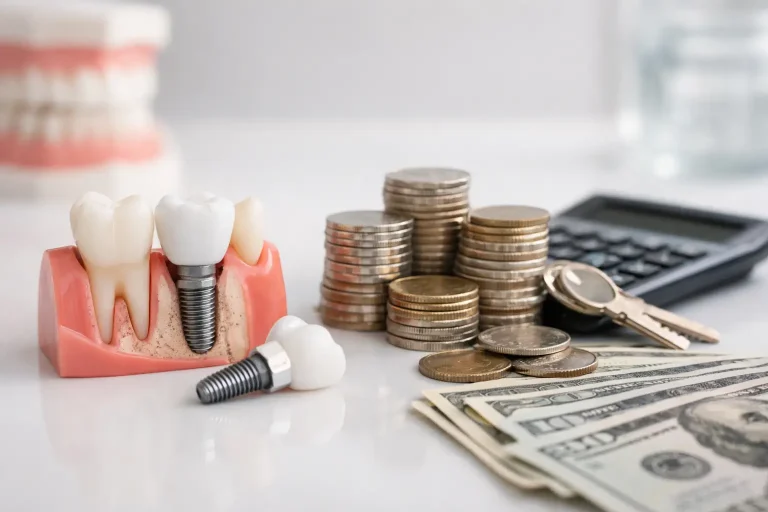
You usually know why you are asking is Invisalign worth it before anyone takes a scan of your teeth. It might be the thought of metal braces at work, wedding photos on the horizon, or a long-standing frustration with crowded or uneven teeth. For many adults, the real question is not whether straight teeth would be nice. It is whether the treatment, time and cost feel justified for the result.
The honest answer is that Invisalign can be very worth it, but not for everyone in exactly the same way. Its value depends on your teeth, your routine, your expectations and how committed you are to wearing the aligners properly. Clear aligners can deliver excellent results, but they are not magic, and they do ask something of you in return.
Is Invisalign worth it for adults?
For many adults, the biggest benefit is simple – Invisalign fits into everyday life more easily than fixed braces. The aligners are discreet, removable and generally more comfortable than many people expect. If you speak to clients who put treatment off for years, appearance during treatment is often the reason. Being able to straighten teeth without drawing attention to it can make the decision feel much easier.
There is also the practical side. You can remove the aligners to eat, drink anything other than water, and clean your teeth properly. That matters if you already keep a good oral hygiene routine and do not want to work around brackets and wires. For professionals, parents, and anyone with a busy social life, that flexibility can be a genuine advantage rather than a cosmetic extra.
But convenience does not mean no effort. Invisalign works best when worn for 20 to 22 hours a day. If you are likely to leave the aligners out for long lunches, coffees or evenings out, treatment may take longer and results may be less predictable. In those cases, a fixed option can sometimes be the better investment.
What you are really paying for
When people focus only on price, they can miss what the treatment is actually designed to achieve. You are not just paying for a set of clear trays. You are paying for assessment, planning, clinical oversight, progress checks and the skill needed to move teeth safely.
A well-planned Invisalign case takes into account your bite, tooth position, gum health and the long-term stability of the result. Straight teeth that do not meet properly can create a different set of problems. That is why a proper consultation matters so much. Good orthodontic treatment should improve both appearance and function, not just produce a quick visual change.
Invisalign can also feel more worthwhile when patients understand the full pathway from the start. If pricing is clear, timelines are explained properly, and you know what aftercare and retainers involve, it becomes easier to judge the value sensibly. Transparent planning often matters just as much as the treatment itself.
When Invisalign is worth it
Invisalign tends to offer very good value for adults with mild to moderate crowding, spacing and certain bite issues, especially if appearance during treatment matters. It can also be a strong option for people who have had some tooth movement after earlier brace treatment and want to correct relapse without returning to fixed braces.
It may feel particularly worthwhile if your teeth affect your confidence. That can sound superficial, but it rarely is. People often smile less when they are self-conscious about their teeth, and that can affect social confidence, photographs and even the way they present themselves at work. If Invisalign helps you feel more comfortable smiling naturally, that benefit has real value.
It can also be worth it from a dental health point of view. Straighter teeth are often easier to clean. Where crowding makes flossing awkward or creates plaque traps, alignment may make day-to-day oral hygiene more manageable. That does not mean Invisalign replaces good brushing and regular dental care, but it can support healthier maintenance in the long term.
When it may not be the best choice
There are situations where Invisalign is not the strongest option, or where its value becomes less convincing. More complex tooth movements can sometimes require different orthodontic approaches. Some cases are suitable for Invisalign with the right planning, while others may be better managed with fixed appliances.
Lifestyle matters too. Because the aligners are removable, success depends on consistency. If you know you are forgetful, snack frequently through the day, or do not want to structure meals and drinks around wear time, the treatment can become frustrating. The aligners only work when they are in.
There is also the question of expectations. Invisalign can achieve impressive changes, but it is still a medical treatment, not a filter. Teeth have natural character, and sometimes patients need additional cosmetic work after alignment if they want a more polished result. If someone expects absolute perfection from alignment alone, they may feel disappointed unless those limits are discussed clearly at the outset.
The everyday pros and cons
The strongest argument in favour of Invisalign is that it is easier to live with than many people imagine. There are no wires to tighten, and the smooth plastic trays tend to cause less irritation to cheeks and lips than traditional braces can. Review appointments are often straightforward, and many patients adapt quickly after the first few days.
The flip side is that removable treatment comes with responsibility. You need to take aligners out before meals, brush before putting them back in, and keep on top of cleaning the trays. If that sounds manageable, Invisalign can feel refreshingly simple. If it sounds annoying, it may become exactly that by week three.
Speech changes are usually mild and temporary, but they can happen at the beginning. Some people notice a slight lisp for a short time. Most settle quickly, though it is worth knowing in advance if your job involves a lot of speaking.
Is Invisalign worth it compared with braces?
This is where the answer becomes personal rather than universal. If your priority is a discreet treatment that fits around adult life, Invisalign often comes out strongly. If your priority is a treatment that you cannot forget to wear, fixed braces have a clear advantage. Neither option is automatically better. The better option is the one that suits your clinical needs and the way you actually live.
For patients who are disciplined and motivated, Invisalign often feels worth the extra investment because the treatment is less visible and more flexible. For patients who want a set-it-and-get-on-with-it approach, fixed braces may offer better value because compliance is less of an issue.
A good clinician should be honest about that. Recommending the treatment that is likely to work best for you is more important than steering every patient towards the same option.
Cost matters, but so does confidence in the process
Cost is a valid part of the decision, especially for families and working adults balancing other expenses. Invisalign is an investment, and it is sensible to ask exactly what is included. Consultation, scans, review visits, refinements and retainers can all affect the true overall cost.
This is also why many patients appreciate practices that explain fees clearly and offer structured payment options. If the treatment is affordable without financial strain, it becomes easier to focus on whether the outcome is right for you rather than whether the process feels daunting. In a local practice setting, that conversation can be more personal and less rushed, which often helps people make a more confident choice.
How to tell if it is worth it for you
A useful way to judge the value is to ask four straightforward questions. How much do your teeth bother you now? How important is a discreet treatment? Are you prepared to wear aligners exactly as instructed? And are your expectations realistic about time, cost and results?
If your answer to most of those points is yes, Invisalign is often well worth considering. If you are hesitant on commitment, unclear on budget, or hoping for an instant cosmetic transformation without much effort, it may be worth pausing and getting proper advice before deciding.
The best consultations are not pushy. They should explain what can be achieved, what may be more challenging, how long treatment is likely to take, and what happens afterwards. Retainers, for example, are part of keeping your result. Teeth can move back if retention is ignored, so the value of treatment includes protecting the outcome once active movement is finished.
At a practice like Eyespy Eye and Dental Care, where patients often value clear explanations and a calm, local approach, that kind of conversation matters. Feeling informed tends to make people feel more comfortable, and comfort is an important part of any elective treatment.
If you are asking is Invisalign worth it, the answer is often yes when the treatment matches your needs and you are ready to commit to it properly. The right option should feel realistic, well explained and genuinely worthwhile to you – not just appealing on paper.