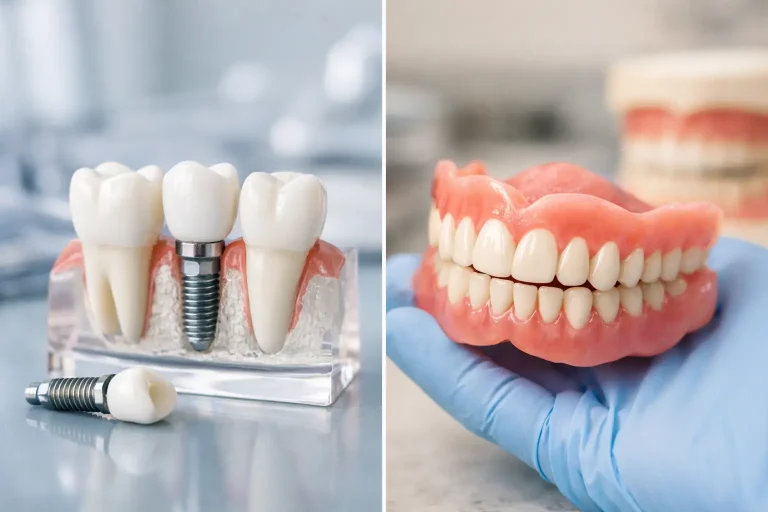
A small ache can become a larger bill surprisingly quickly. That is why learning how to afford dental treatment is not simply about finding the lowest price – it is about getting clear advice early, understanding your options and making a plan that protects both your smile and your budget.
For many people, the worry is not the appointment itself. It is the fear of being told they need treatment they had not planned for. A good dental team should take that pressure away by explaining what is urgent, what can safely wait and what each option is likely to cost before treatment begins.
Start with a clear diagnosis and written plan
The most useful first step is a dental examination. It may feel tempting to postpone a visit until you have saved more money, but delaying a problem can turn a manageable filling into more extensive restorative work. Early assessment gives you information, and information gives you choices.
Ask your dentist to talk you through the findings in plain English. You should understand the condition of your teeth and gums, the reason treatment has been recommended, the likely consequences of waiting and the alternatives available. Request a written treatment plan with itemised costs so there are no surprises.
A personalised plan also helps separate treatment into sensible priorities. Relief from pain, infection, broken teeth or active decay generally comes first. Preventive care and treatments that improve function may follow, while elective cosmetic changes can often be scheduled around your finances. This is not about compromising on quality. It is about making decisions at a pace that is realistic for you.
How to afford dental treatment by phasing care
Many dental plans do not need to be completed in a single month. Where clinically appropriate, your dentist may be able to phase treatment over several appointments. For example, urgent work can be completed first, then other areas can be treated over the following months.
Phasing can make payments easier to manage and gives you time to adjust your household budget. However, it depends on your oral health. Some treatments are time-sensitive, particularly where infection, pain or progressing damage is involved. Your dentist should be honest about what can wait and what should not.
It can help to ask three straightforward questions at your consultation: What needs doing now? What could be done later without harming my dental health? What will the cost be at each stage? Clear answers make it easier to plan rather than putting off care altogether.
Ask about finance before you commit
For larger treatment plans, finance can spread the cost into fixed monthly payments. This can be particularly helpful for restorative or cosmetic treatment where paying the full amount upfront would be difficult. At Eyespy Eye and Dental Care, 0% finance options are available for eligible patients, helping some people access treatment while keeping monthly spending predictable.
Finance is still a financial commitment, so take time to check the details. Ask about the deposit, the number and value of monthly payments, the length of the agreement and what happens if a payment is missed. Only agree to a payment level that leaves room for everyday costs and unexpected expenses.
A monthly payment can make treatment feel more accessible, but it should not replace a proper conversation about whether a treatment is right for you. The clinical benefit, the likely lifespan of the work and the aftercare required all matter just as much as the repayment figure.
Protect your budget with regular prevention
The most affordable dental treatment is often the treatment you avoid needing. Regular check-ups allow small problems to be spotted before they become painful, disruptive or more expensive to repair. Hygienist appointments can also support healthier gums by removing hardened plaque that brushing alone cannot remove.
At home, consistency matters more than expensive products. Brush twice a day with fluoride toothpaste, clean between your teeth daily and limit how often you have sugary food or drinks. Frequency matters because repeated sugar exposure gives bacteria more chances to produce the acids that damage enamel.
If you clench or grind your teeth, mention it at your check-up. Worn teeth, jaw tension and cracked restorations can become costly over time. A dentist can assess the cause and advise on appropriate protection. Likewise, if you notice bleeding gums, persistent bad breath, sensitivity or a change in how your teeth meet, book an appointment rather than hoping it settles on its own.
Check the support you may already have
Before assuming you must fund every part of your care alone, check whether you have any existing support. Some employers include dental cover as part of a benefits package, while others offer a health cash plan that may contribute towards routine dental costs. If you have private dental insurance, review the policy carefully before booking, as cover limits, waiting periods and exclusions vary.
You may also be eligible for help with NHS dental charges depending on your circumstances. Eligibility and availability are separate questions, and NHS provision is not the same at every practice, so it is worth checking the current rules directly and asking the provider you are considering.
If you are using insurance or another scheme, ask for your treatment plan and any paperwork you need in good time. It is usually easier to confirm what is covered before treatment starts than to try to resolve a claim afterwards.
Compare value, not just the headline price
When money is tight, a low advertised price can be persuasive. But dental treatment is not a product on a shelf. The quality of assessment, materials, clinical skill, infection control, laboratory work and aftercare can all affect the result and its longevity.
A cheaper option can be good value if it is appropriate and clearly explained. Equally, paying more does not automatically mean better care. The key is to understand what is included. Ask whether examinations, X-rays, temporary work, follow-up appointments or future adjustments are part of the quoted fee. If you are considering cosmetic treatment, ask how long results are expected to last and what maintenance you should budget for.
A practice that takes time to explain the choices should never make you feel embarrassed about discussing cost. Your financial circumstances are relevant to planning care, and honest conversations lead to better decisions.
Build a realistic dental fund
If you do not need urgent treatment, setting aside a small amount each month can make routine care feel far less daunting. Treat it like any other household essential rather than an optional extra. Even a modest dental fund can cover check-ups, hygiene visits or a deposit when treatment is needed.
Start with the known costs in your plan, then add a little margin for the unexpected. If saving monthly is difficult, consider aligning appointments with a regular pay date so you can plan ahead. Families may find it helpful to schedule check-ups together, making it easier to keep track of both appointments and spending.
Do not let cost stop you from seeking help
Ignoring dental pain because you are worried about the bill rarely saves money. It can mean disrupted sleep, time away from work or school, and a problem that becomes harder to treat. Contact a dental practice as soon as you notice pain, swelling, trauma or a lost filling, and explain that you are concerned about affordability.
The right next step may be simpler than you expect: an examination, a clear treatment plan and an honest conversation about priorities and payment options. Looking after your teeth should feel manageable, not overwhelming – and getting advice early is often the kindest choice for both your health and your finances.