That stubborn stain by the gumline, the bleeding when you floss, the feeling that your teeth never quite feel smooth enough – these are often the early signs that routine home care needs professional support. The benefits of regular hygienist visits go well beyond a polished smile. For many patients, they are one of the simplest ways to prevent avoidable dental problems, keep treatment costs down and feel more confident day to day.
A hygienist appointment is not just a cosmetic clean. It is preventive care with a practical purpose. Regular visits help remove hardened plaque, spot changes in gum health early and give you tailored advice that fits your habits, diet and dental history.
Why the benefits of regular hygienist visits add up over time
Most dental issues do not appear overnight. Plaque builds gradually, gums become irritated slowly and stains settle in bit by bit. That is why regular hygienist care works best as an ongoing habit rather than a one-off fix.
Even people who brush well can miss areas around the back teeth, near the gumline or between crowded teeth. If plaque is left sitting there, it can harden into tartar. Once that happens, it cannot be brushed away at home. A hygienist has the tools and training to remove it safely before it contributes to more serious gum problems.
The longer preventative care is left, the more likely small concerns are to turn into treatment needs. A short, routine appointment now can be much easier, more comfortable and more affordable than dealing with advanced gum disease or extensive restorative work later.
Healthier gums and less bleeding
One of the clearest benefits of regular hygienist visits is better gum health. If your gums bleed when you brush or floss, that is often a sign of inflammation rather than brushing too hard. Inflamed gums may look slightly red, feel tender or seem puffy around the teeth.
A hygienist can remove the plaque and tartar that trigger this irritation and help you improve how you clean at home. For many patients, this leads to less bleeding, fresher breath and gums that look and feel healthier within a fairly short time.
It does depend on how advanced the problem is. Mild gingivitis often responds well to consistent care, while more established gum disease may need closer monitoring and more frequent appointments. The key point is that early action usually gives you more straightforward options.
A cleaner mouth than brushing alone can achieve
Good brushing and interdental cleaning matter, but they have limits. Some deposits cling tightly to the teeth, especially in hard-to-reach places. Tea, coffee, red wine and smoking can also leave surface staining that builds gradually and dulls the appearance of the smile.
Professional cleaning helps lift away these deposits and polish the tooth surfaces, leaving the mouth feeling noticeably cleaner. Patients often say their teeth feel smoother afterwards, which is not just a pleasant bonus. A smoother surface makes it harder for plaque to stick as easily in the days that follow.
This does not mean a hygienist visit replaces home care. It works best alongside it. Think of it as support for your daily routine, not a substitute.
Fresher breath with a real cause addressed
Bad breath can be frustrating, especially when you are brushing regularly and still not feeling confident. In many cases, the cause is bacterial build-up in the mouth, particularly around the gums and between the teeth.
A hygienist visit can help by reducing that build-up and identifying areas where your cleaning routine may need adjusting. Sometimes the solution is simple – a better interdental brush size, improved technique or more attention to a specific part of the mouth. Sometimes there is an underlying gum issue that needs treatment rather than repeated use of mouthwash.
That distinction matters. Temporary freshness from mints or rinses can be useful, but it does not solve the source of the problem if plaque and tartar are still present.
Early warning signs are easier to catch
Another important reason patients value regular hygienist appointments is that they create more opportunities to spot changes early. A hygienist is trained to notice signs of gum recession, plaque retention, excessive staining, irritation and other patterns that may need attention.
That early insight can be especially useful if you have dental work to maintain, such as fillings, orthodontic appliances, implants or cosmetic treatments. Preventive hygiene care helps protect the investment you have already made in your smile.
There is also a practical side to this. Problems found early are often simpler to manage. Left alone, they can become more uncomfortable, more time-consuming and more expensive.
Support that is tailored to you
No two mouths are quite the same. Some patients are prone to tartar despite brushing carefully. Others struggle with cleaning around fixed braces, crowded teeth or dental work. Some notice sensitivity and worry that proper cleaning will make it worse.
This is where personalised advice makes a difference. A good hygienist does not just clean your teeth and send you on your way. They explain what they are seeing, show you where plaque collects and recommend techniques or tools that suit your mouth.
That individual approach often helps people make changes that actually last. General dental advice can be easy to ignore because it feels broad and impersonal. Advice that is linked to your own teeth, your own habits and your own concerns tends to be far more useful.
The benefits of regular hygienist visits for long-term costs
Preventive care is not only about health. It can also make financial sense. When plaque and tartar are managed consistently, you reduce the risk of problems that may later require more involved treatment.
That does not mean hygienist visits guarantee you will never need further dental care. Cavities, grinding, trauma and other issues can still happen. But regular maintenance usually puts you in a better position than waiting until something hurts or becomes visible.
For cost-aware families and individuals, that matters. Planned routine care is often easier to budget for than unexpected treatment. It also tends to involve less disruption to work, school and everyday life.
Confidence in your smile and your routine
The cosmetic benefit of seeing a hygienist should not be overstated, but it should not be dismissed either. Cleaner teeth, reduced staining and fresher breath can make a real difference to confidence, whether you are at work, out with friends or simply speaking up in a meeting.
For some patients, that confidence is what finally helps them stay consistent with home care. After a professional clean, they feel motivated to keep that fresh, smooth feeling for longer. That can create a healthier cycle – better maintenance at home, easier hygiene visits and fewer problems building up between appointments.
How often should you see a hygienist?
There is no single answer that suits everyone. Some people do well with visits every six months. Others may benefit from more frequent appointments, especially if they have a history of gum disease, heavy tartar build-up, smoking-related staining, braces or dental implants.
The right schedule depends on your oral health, your risk factors and how quickly plaque and tartar tend to return. A personalised recommendation is usually more useful than following a generic rule.
If you have not been for a while, there is no need to feel embarrassed. That is far more common than people think, and a supportive practice will focus on what helps now rather than making you feel judged.
What to expect from a hygienist appointment
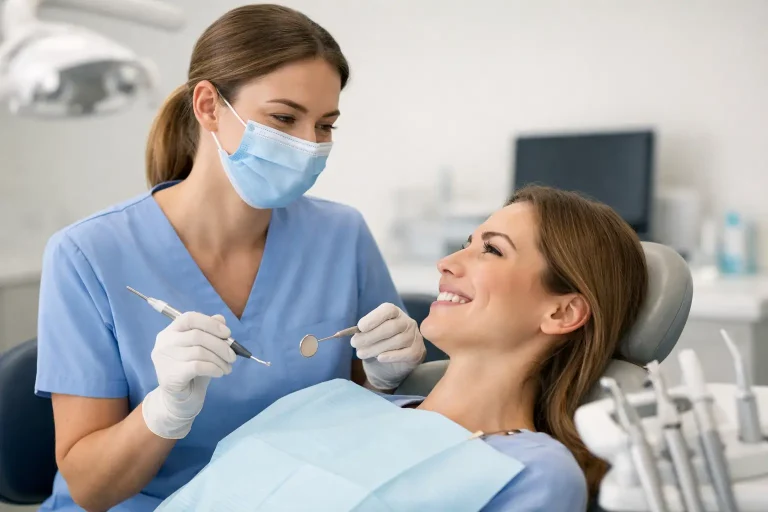
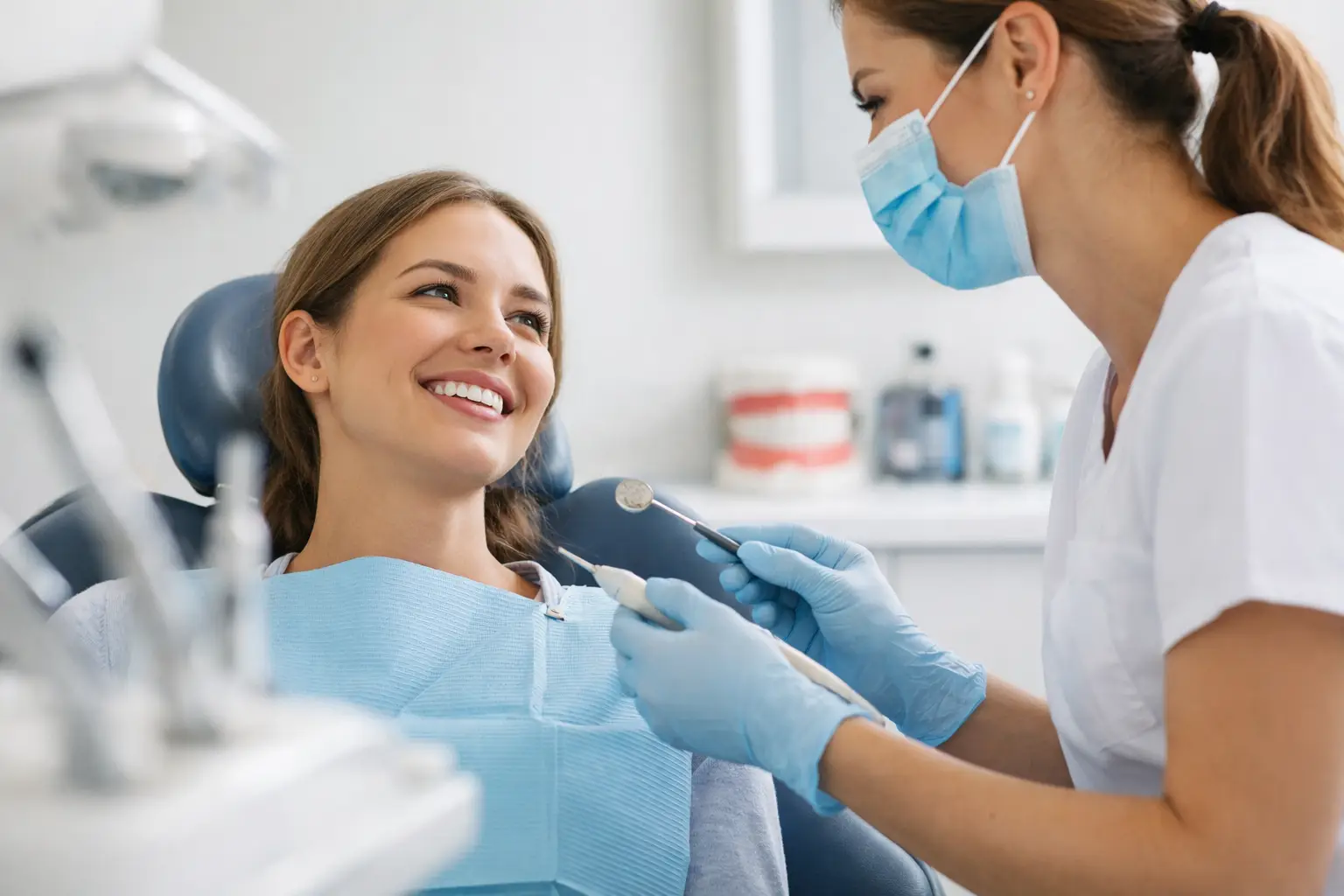
A routine appointment will usually include an assessment of your gum health, removal of plaque and tartar, polishing where appropriate and advice on cleaning at home. If your gums are particularly sensitive or inflamed, treatment may need to be adapted to keep you comfortable.
Some patients worry that a hygienist clean will be painful. In reality, comfort depends on the amount of build-up present, the condition of the gums and how sensitive your teeth are. If there is a lot of inflammation, some tenderness is possible, but regular attendance often makes future visits easier because there is less to remove and the gums are healthier.
At Eyespy Eye and Dental Care, the focus is on clear explanations and a calm, personalised approach, which can make a real difference if you are nervous or have put appointments off for that reason.
The best time to book a hygienist visit is usually before you feel you need one. When your mouth is comfortable and healthy, preventive care keeps it that way. When something already feels off, it is often a sign that your teeth and gums would benefit from attention sooner rather than later.
A regular hygienist appointment may seem like a small part of your routine, but it can have a lasting effect on your comfort, confidence and oral health.