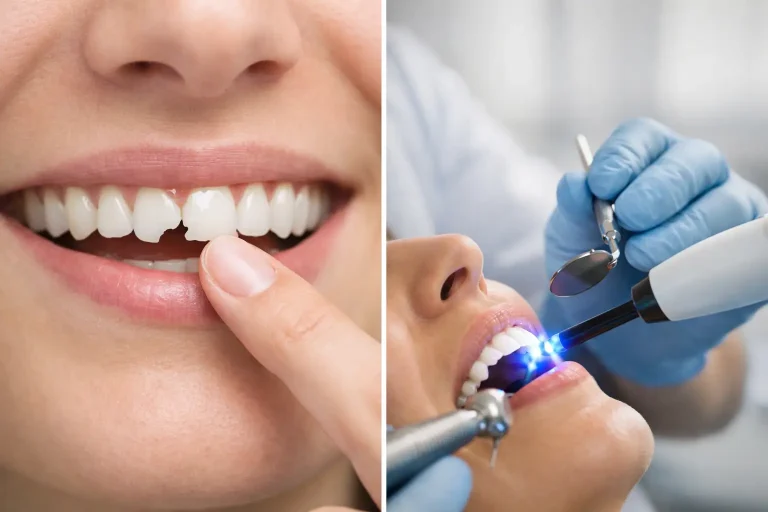
If you have been putting off a hygienist appointment Walthamstow because you are not quite sure what happens in the chair, you are not alone. Many patients are happy to book a dental check-up but delay hygiene visits for months, sometimes years, simply because they expect discomfort, judgement or an unnecessary extra cost. In reality, a good hygienist appointment is one of the simplest ways to keep your mouth comfortable, your gums healthier and your routine dental care more straightforward.
Why a hygienist appointment in Walthamstow matters
Most people think about their teeth first. It is understandable – teeth are what you see in the mirror. But hygienist care is often more about everything around them: your gums, the spaces between teeth and the areas where plaque and tartar build up over time.
Even with careful brushing at home, some deposits are difficult to remove fully. Once plaque hardens into tartar, it cannot be brushed away. That is where a hygienist helps. The appointment is designed to remove those stubborn deposits, reduce irritation around the gumline and give you clear advice on how to maintain things between visits.
This matters for more than appearance. Bleeding gums, persistent bad breath and tenderness when brushing are often early signs that your mouth needs more attention, not less. Left alone, minor gum problems can become more difficult to manage. A regular hygiene visit can help catch that pattern early.
What happens at a hygienist appointment Walthamstow patients can expect
For first-time patients, uncertainty is usually the biggest barrier. The good news is that the appointment is typically very straightforward.
Your hygienist will usually start by looking at the condition of your gums and checking for plaque and tartar build-up. They may ask about bleeding, sensitivity, smoking, home care habits or any areas that are bothering you. That conversation matters because treatment is not one-size-fits-all. Someone with crowded teeth, bridges or repeated staining from tea, coffee or smoking may need a slightly different approach from someone attending for routine maintenance.
The main part of the visit is the cleaning itself. This involves removing tartar and plaque from around the teeth and gumline, followed by polishing where appropriate. If there is more build-up than expected, especially below the gumline, the treatment may take longer or need to be staged over more than one visit.
A good hygienist will also explain what they are seeing rather than simply getting on with it in silence. That can make a real difference. When patients understand where they are missing with brushing or how to clean between teeth properly, home care tends to improve quickly.
Does it hurt?
This is probably the question people want answered first, and the most honest answer is: it depends.
For many patients, a hygiene appointment is mildly uncomfortable at most. If your gums are healthy and your build-up is light, it is often quick and manageable. If your gums are inflamed, bleeding easily or there is a lot of tartar to remove, you may feel more sensitivity. That does not mean anything has gone wrong – it usually reflects the condition of the gums before treatment starts.
The key is communication. If you are nervous, have sensitive teeth or have had a difficult experience in the past, say so at the beginning. A caring clinician will work more gently, explain each stage clearly and help you pace the appointment. That calm, personalised approach often changes how patients feel about hygiene visits altogether.
How long does a hygienist visit take?
A routine appointment is often around 30 minutes, although some patients need longer. The length depends on how much build-up there is, whether your gums need closer attention and whether this is a maintenance visit or your first hygiene appointment in quite some time.
If you have not had a professional clean for a year or more, it is sensible to expect that the first visit may be more involved. That is not a reason to avoid booking. In fact, it is usually the opposite. Once things are brought back under control, future appointments are often simpler and more comfortable.
Signs you should book sooner rather than later
Some people attend regularly every six months and keep on top of things well. Others only think about booking when a problem becomes noticeable. If you are unsure where you sit, a few signs suggest it is worth arranging an appointment.
Bleeding when brushing is a common one. So is bad breath that does not improve even with good brushing. You may also notice yellow or brown deposits near the gumline, tenderness in certain areas or teeth that feel less clean no matter how much effort you put in at home.
Staining is another reason many patients book. While a hygienist appointment is not the same as cosmetic whitening, it can often improve the appearance of the teeth by lifting surface staining from everyday habits. That can be useful before an event, after a long gap in dental care or as part of maintaining a brighter smile.
How often should you go?
There is no single answer that suits everyone. Some patients benefit from hygiene visits every six months, while others may be advised to come more often if they are prone to gum problems or heavy build-up. Equally, someone with excellent home care and low risk factors may not need appointments quite as frequently.
This is one of those areas where individual advice matters more than guesswork. Frequency depends on your gum health, how quickly tartar forms, whether you smoke, whether you have restorations that need extra cleaning around them and how easy you find daily cleaning at home.
The best approach is not to copy someone else’s routine but to follow advice based on your own mouth. That tends to be more effective and more cost-conscious in the long run.
Cost, value and what patients are really paying for
It is understandable to think carefully about cost, especially when a hygienist visit can feel easy to postpone. But it helps to look at value rather than price alone.
A hygiene appointment is not simply a polish. You are paying for professional assessment, removal of hardened build-up that cannot be managed at home, tailored cleaning advice and support for healthier gums. For many patients, regular hygiene care can reduce the chance of needing more involved treatment later because problems are picked up earlier and managed more consistently.
Transparent pricing matters here. Patients should feel clear on what the appointment covers, whether they are booking routine hygiene maintenance or may need more detailed gum care. No one likes surprises when it comes to healthcare. A practice that explains treatment properly from the start usually gives patients far more confidence.
Choosing the right clinic for a hygienist appointment in Walthamstow
Convenience matters, but it should not be the only factor. When you are choosing where to book, look for a practice that takes time to explain things properly and does not make hygiene feel rushed or transactional.
That is especially important if you are an anxious patient or have not attended in a while. A welcoming, independent local practice often feels very different from a high-volume setting where appointments can feel hurried. Clear communication, gentle care and realistic advice tend to matter just as much as the cleaning itself.
For patients travelling from Walthamstow, having access to a trusted local clinic nearby can make it easier to keep up with regular visits rather than waiting until there is discomfort. That consistency is what usually makes the biggest difference over time.
How to get more from your appointment
The easiest way to improve the value of your hygiene visit is to treat it as a conversation, not just a clean. Mention any bleeding, sensitivity or embarrassment about staining. Ask whether you are using the right size of interdental brush. Tell the hygienist if one area always seems to trap food or if brushing around certain teeth feels awkward.
Small details often lead to the most useful advice. A minor change in technique, the right cleaning aid or a better understanding of where plaque gathers can make daily care much easier. Patients are often surprised by how much difference a few personalised tips can make within a couple of weeks.
If you are also juggling family appointments, work and everything else that fills the week, convenience matters too. That is one reason many local patients value community-based practices such as Eyespy Eye and Dental Care, where the focus is on approachable, personalised care rather than rushing people through.
A hygienist appointment is not about perfection. It is about keeping your mouth healthier, more comfortable and easier to manage before small issues become bigger ones. If your gums bleed, your teeth never quite feel clean or it has simply been longer than you would like to admit, booking that visit is a sensible place to start.