A smile can change gradually over the years. Teeth may shift after earlier orthodontic treatment, crowding can become more noticeable, or a bite that has never felt quite right may start to affect confidence. So, can adults get braces? Yes. There is no upper age limit for orthodontic treatment when your teeth and gums are healthy enough to support it.
For many adults, the decision is not simply about straighter teeth. It can be about feeling more comfortable in photographs, finding cleaning easier around crowded teeth, or finally addressing something that has bothered them for years. The right treatment begins with a careful assessment and an honest conversation about what is possible for your smile.
Can adults get braces at any age?
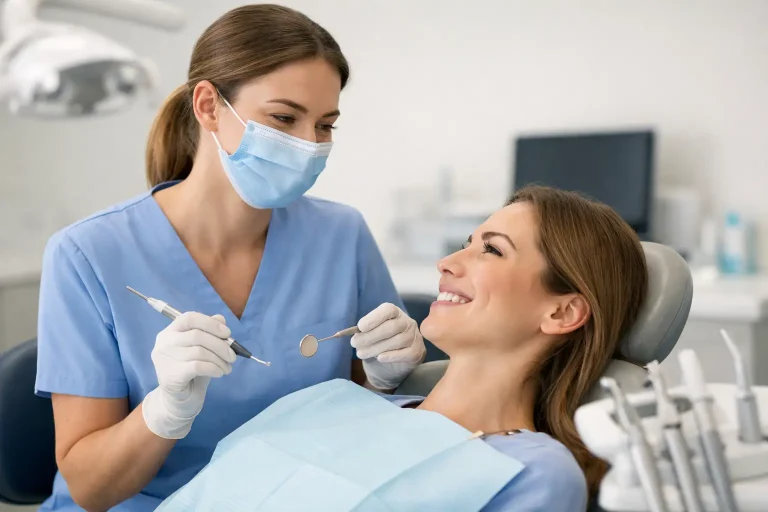
Adults of many ages can have braces. What matters more than the date on your birth certificate is the condition of your mouth. Before orthodontic treatment starts, a dentist will check for gum disease, untreated decay, loose teeth and other issues that may need attention first.
Healthy gums are particularly important. Braces and clear aligners move teeth by applying gentle, controlled pressure over time. If the supporting gums and bone are not stable, tooth movement may not be advisable until the underlying problem has been treated and brought under control.
Adults also tend to have more complex dental histories than teenagers. You may have fillings, crowns, missing teeth, previous extractions or signs of wear from grinding. None of these automatically rule out orthodontic treatment, but they can affect the type of treatment recommended and the order in which it is planned. A personalised plan is far more useful than a one-size-fits-all promise.
Why adults choose orthodontic treatment
Some patients want to straighten teeth for cosmetic reasons, and that is a perfectly valid reason to seek advice. A more even smile can make people feel more at ease when speaking, laughing and being photographed. Others are motivated by practical concerns.
Crowded or overlapping teeth can create areas that are harder to brush and clean between. Improving their position may make day-to-day oral hygiene more manageable. In some cases, treatment can also help improve the way the teeth meet, although orthodontics is not the answer to every bite or jaw concern. The assessment is where these distinctions become clear.
It is also common for adults who had braces as a child to notice movement later in life. Teeth can shift for several reasons, including natural changes over time and inconsistent retainer wear. A short course of treatment may sometimes be appropriate, but the amount of movement needed determines whether this is realistic.
Braces or clear aligners: which is right for you?
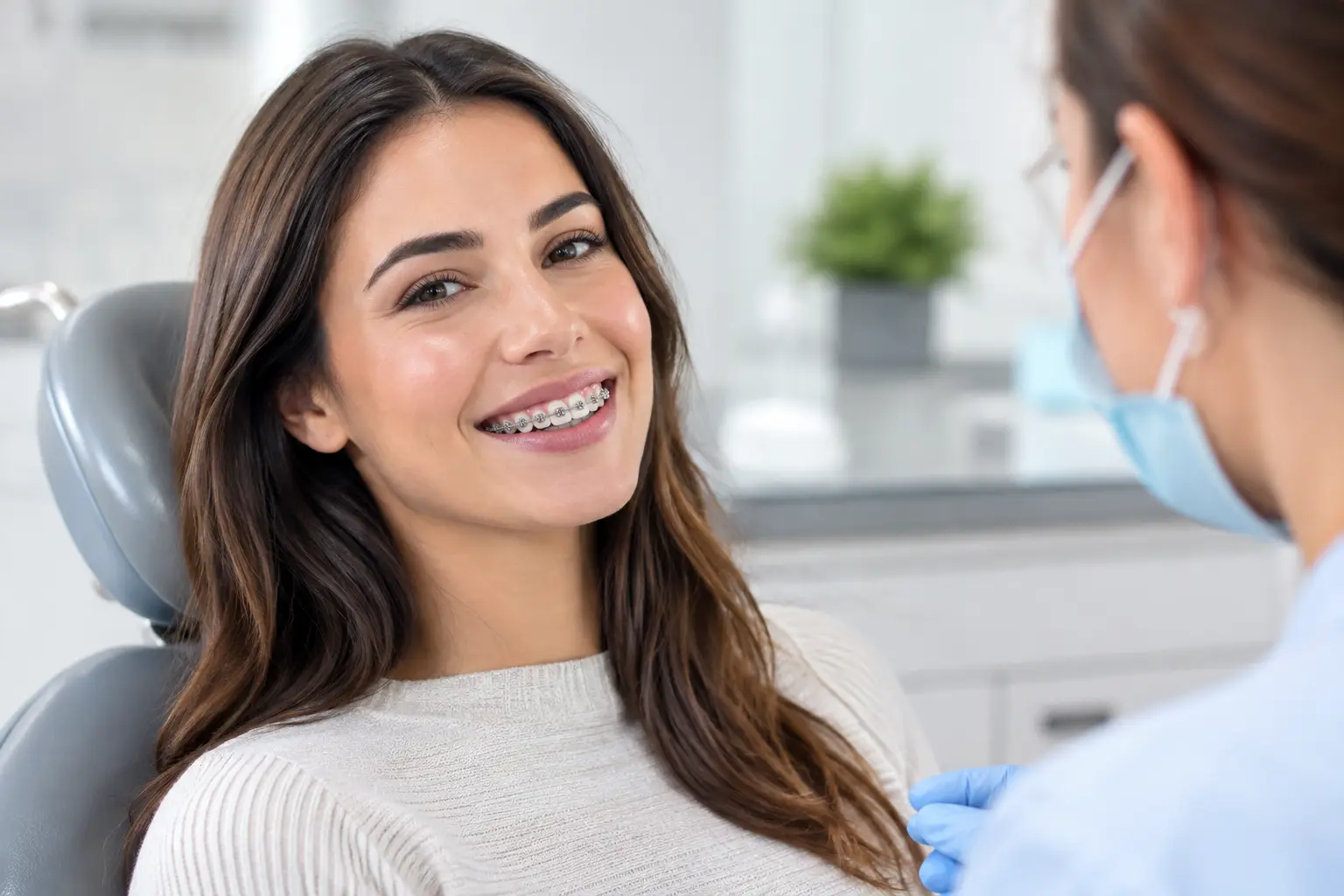
Adult orthodontics is not limited to one treatment type. Fixed braces use brackets and wires to guide tooth movement. They remain a highly effective option for a wide range of cases, including more complex tooth movements. Modern fixed braces can be less conspicuous than many people expect, but they are still visible and require careful cleaning around the brackets.
Clear aligners, such as Invisalign, use a series of close-fitting removable trays that are changed in sequence. They can be appealing to adults because they are discreet and can be taken out for meals and brushing. However, removable does not mean effortless. Aligners need to be worn for the recommended number of hours each day, typically most of the day and night, to keep treatment on track.
The best choice depends on your bite, the position of your teeth, your goals and your routine. Someone who wants a treatment they can remove for a special occasion may prefer aligners. Someone who would rather not have to remember to put trays back in may find fixed braces more suitable. Your clinician should explain the likely outcome, limitations, timescale and responsibilities for each option before you decide.
The commitment matters as much as the appliance
Orthodontic treatment works gradually, not overnight. Adult treatment often takes between several months and around two years, though this varies considerably. Minor alignment concerns may be resolved sooner, while more involved movements can take longer.
Appointments are needed to review progress and make adjustments where appropriate. You will also need to look after your teeth carefully at home. With fixed braces, this means taking extra time to clean around brackets and wires. With aligners, it means keeping the trays clean and removing them before eating anything other than plain water.
After active treatment, retainers are essential. Teeth have a natural tendency to move, particularly in the months after braces or aligners are finished. Wearing retainers as advised is the best way to protect the time, effort and cost you have invested in your smile.
Will braces hurt as an adult?
Braces should not be painful to fit, but it is normal to experience pressure or tenderness after they are placed and after adjustments. The first few days can feel unfamiliar, especially when biting into firmer foods. This usually settles as your mouth adapts.
Clear aligners can also cause temporary pressure when moving to a new tray. That sensation is often a sign that the aligner is fitting closely and guiding the planned movement. Any sharp irritation, persistent discomfort or a broken appliance should be raised with your dental team rather than simply tolerated.
Adults sometimes worry that treatment will be more difficult because their teeth are less easy to move. Teeth can be moved successfully in adulthood, but treatment planning needs to respect the health of the gums, bone and existing dental work. This is why a thorough consultation is more valuable than quick online estimates or promises based on a photograph.
Preparing for adult braces
A useful first step is to book an orthodontic consultation. This gives you the opportunity to discuss what you would like to change and whether treatment is clinically suitable. Records such as photographs, scans or X-rays may be needed to understand tooth positions, roots and bite relationships properly.
Come prepared to talk about your dental history, including previous braces, grinding, jaw symptoms and any concerns about gum health. It is also worth being open about practical priorities. For example, you may have a wedding, work presentation or holiday coming up, or you may need an option that suits a busy routine. These details help shape a realistic plan.
Ask about the expected duration, the number of review appointments, what happens if an aligner is lost or a brace breaks, and how retention will be managed afterwards. Cost should be discussed clearly too. A good plan sets out what is included, any possible additional costs and whether payment options, including 0% finance where available, may help spread the cost.
Looking after your smile during treatment
Good daily cleaning is central to a successful result. Brush thoroughly twice a day with fluoride toothpaste and clean between the teeth every day. If you have fixed braces, your dental team can show you suitable brushes and techniques for cleaning around wires and brackets. Regular hygienist appointments may also be recommended, particularly if you are prone to plaque build-up or gum inflammation.
Be mindful of foods that could damage a fixed brace, such as very hard sweets or biting directly into hard foods. With aligners, remove them before eating and store them safely in their case rather than wrapping them in a napkin. It is a small habit that prevents a surprising number of lost trays.
If you are considering adult orthodontics in Leytonstone or the surrounding East London area, a consultation at Eyespy Eye and Dental Care can give you clear, personal guidance. The aim is not to persuade everyone into treatment. It is to help you understand your options and choose a route that feels right for your health, lifestyle and confidence.
A straighter smile is possible at many stages of adulthood, but the most reassuring next step is a proper assessment. With healthy foundations, realistic expectations and reliable aftercare, you can make a decision about braces that feels considered rather than rushed.