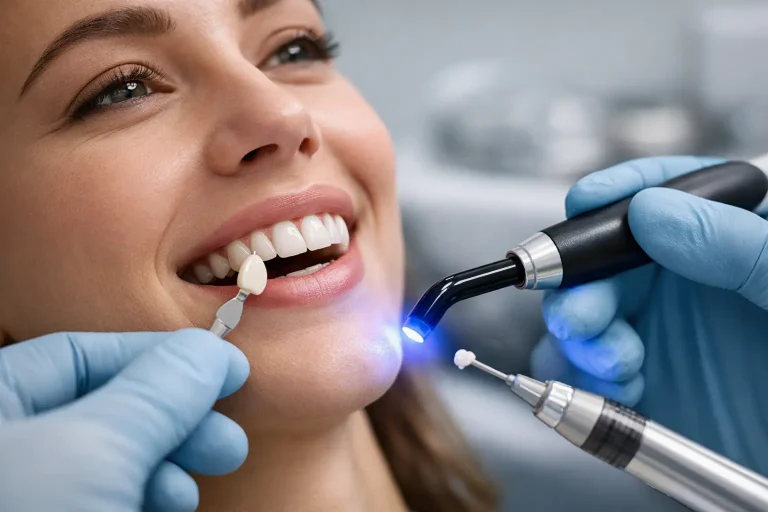
If you have been thinking about straightening your teeth but keep putting it off because you do not want fixed metal braces, Invisalign Stratford is often the treatment people look at first. The appeal is easy to understand – clear aligners are discreet, removable, and designed to fit around everyday life more comfortably than many patients expect. For adults with work commitments, social plans, or family life to juggle, that matters.
What matters just as much, though, is knowing whether Invisalign is actually the right option for your smile rather than simply the most recognisable name. Clear aligners can be an excellent treatment, but the best results come when the case is properly assessed, the plan is realistic, and you understand what wearing them involves day to day.
Why Invisalign Stratford appeals to busy adults
A lot of patients are not against orthodontic treatment itself. They are against the idea of something that feels obvious, awkward, or difficult to manage. That is where Invisalign tends to stand out. The aligners are clear enough to be far less noticeable than traditional braces, and because they can be removed for meals, brushing, and special occasions, many people find them easier to live with.
For working professionals, parents, and anyone regularly meeting people face to face, discretion is often a big factor. So is convenience. You can take the aligners out to eat, which means no worrying about food getting trapped around brackets, and oral hygiene is usually simpler because you can brush and floss normally.
That said, removable treatment comes with responsibility. Invisalign only works well if you wear it for the recommended number of hours each day. If aligners are left out too often, treatment can slow down or become less predictable. In other words, convenience is a real advantage, but only when it is matched with consistency.
How Invisalign actually works
Invisalign uses a series of custom-made clear aligners to move teeth gradually over time. Each set is slightly different from the one before it, guiding the teeth step by step into improved alignment. Before treatment begins, your teeth and bite are carefully assessed, and a digital plan is created to map the movement.
This planning stage is important because straightening teeth is not just about making the front teeth look neater. Your bite, spacing, crowding, and overall dental health all need to be considered. Sometimes what looks like a simple cosmetic concern has an underlying functional issue that needs attention too.
Most patients change aligners every one to two weeks, depending on the treatment plan. Reviews are still needed during the process to check progress, make adjustments if necessary, and ensure the teeth are moving as expected. Even though the aligners are removable, Invisalign is not a do-it-yourself treatment. Clinical monitoring makes a real difference to the outcome.
Who is a good candidate for Invisalign?
Invisalign can be a very good option for mild to moderate crowding, spacing, and certain bite issues. It is often chosen by adults who want a less visible way to straighten their teeth, but it can suit older teenagers as well, provided they are likely to wear the aligners properly.
The best candidates are usually patients who want a discreet treatment and are prepared to follow instructions closely. Wearing aligners for around 20 to 22 hours a day is not a small detail – it is central to whether treatment stays on track.
There are also cases where Invisalign may not be the ideal first choice, or where expectations need to be managed carefully. Some more complex movements can still be treated with aligners, but it depends on the individual case. That is why a proper consultation matters more than broad promises. A careful clinician should explain not just what Invisalign can do, but where its limits may be.
If you have untreated decay, gum problems, or broken teeth, these issues usually need dealing with before orthodontic treatment begins. A healthy foundation gives you the best chance of a smooth, predictable result.
What treatment feels like in real life
One of the most common worries is comfort. Invisalign is generally considered more comfortable than fixed braces, but that does not mean there is no adjustment period. When you switch to a new set of aligners, it is normal to feel pressure for a day or two. That pressure is a sign the aligners are working.
Speech can feel slightly different at first, especially during the first few days, although most patients adapt quickly. You may also find that meal planning changes a little, simply because aligners need to be removed before eating and replaced afterwards. Snacking becomes less casual when you have to think about taking aligners out, rinsing, and brushing before putting them back in.
For some people, that structure is actually helpful. It can make them more aware of their routine and more disciplined with oral hygiene. For others, it takes a little getting used to. Neither reaction is unusual.
Invisalign Stratford and the cosmetic side of treatment
People often start looking into Invisalign because they want straighter front teeth, but the end result is rarely just about alignment. When teeth are positioned more evenly, the smile often looks cleaner, healthier, and easier to maintain. In some cases, patients also notice brushing and flossing become more straightforward once crowded areas are reduced.
Cosmetic improvement matters, and there is nothing shallow about wanting to feel more confident in your smile. At the same time, good orthodontic planning should look beyond appearance alone. Teeth that meet better can sometimes reduce uneven wear and improve function as well.
This is also why honest conversations matter. If your goal is a quick cosmetic tidy-up, say so. If you are more concerned about long-term bite balance, say that too. The right treatment plan starts with clarity about what you want and what is clinically appropriate.
How long does Invisalign take?
Treatment length varies. Some patients with relatively minor movement may complete treatment in a matter of months, while more involved cases can take considerably longer. There is no meaningful one-size-fits-all answer because teeth do not all move at the same pace, and treatment goals differ.
Compliance affects timing as well. If aligners are not worn for long enough each day, delays are likely. Refinements can also be needed near the end of treatment to fine-tune the result. That is not necessarily a sign of anything going wrong – it is often part of getting a more polished final outcome.
A good consultation should give you a realistic timeframe rather than an overly neat promise. Faster is not always better if it comes at the expense of stability or accuracy.
What to ask before starting Invisalign Stratford
If you are comparing options, the quality of the consultation matters as much as the treatment itself. You should come away understanding how suitable Invisalign is for your case, what the likely timescale is, what the total fee includes, and what happens if refinements are needed.
It is also worth asking about retainers at the end of treatment. Straight teeth do not simply stay in place forever on their own. Retention is an essential part of orthodontics, not an optional extra. If this is not discussed clearly from the start, the picture is incomplete.
Cost is another practical factor. Transparent pricing helps patients plan properly, and for many people, access to finance makes treatment more manageable. There should be no pressure, just a clear explanation of the pathway so you can decide at your own pace.
A community-based practice will often take more time over these conversations, which can make a real difference if you are nervous or still unsure. Feeling listened to is part of good care.
Choosing care that feels personal, not rushed
When people search for Invisalign around Stratford, they are usually not just looking for aligners. They are looking for reassurance, clarity, and confidence that they are making a sensible decision. That means being treated as an individual rather than a standard case.
At an independent local practice such as Eyespy Eye and Dental Care, that personal approach tends to be central to the experience. Patients often want treatment explained in plain English, realistic expectations from the outset, and support throughout the process rather than a quick sales pitch. That is especially important with orthodontics, where success depends on trust, communication, and follow-through over time.
If Invisalign has been on your mind for a while, the next step does not have to be a big one. Start with a proper assessment, ask the questions that matter to you, and give yourself room to choose the option that fits your smile and your life.