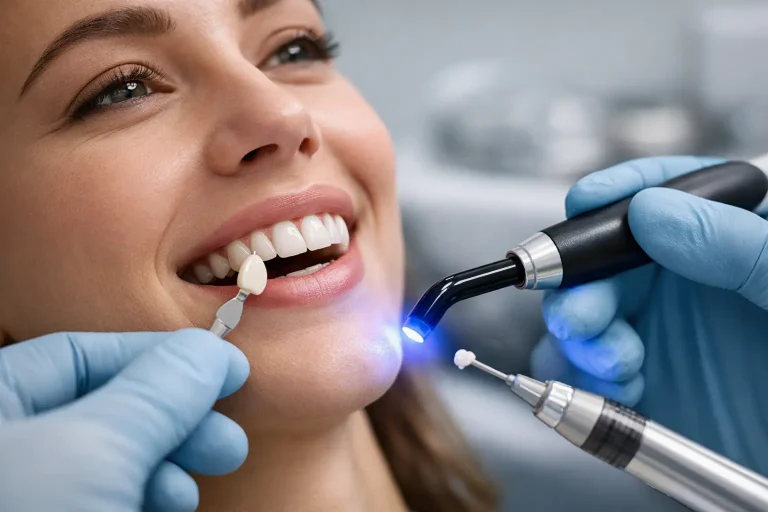
A family appointment can be very different from a quick visit to fix a toothache. You may be arranging a first check-up for a nervous child, keeping an eye on a teenager’s developing smile, or looking after your own gums between a busy job and home life. A family dentist Leytonstone patients feel comfortable returning to should make those moments simpler: clear advice, a calm welcome and treatment that is right for the person in the chair.
The best dental care is not about booking the most treatments. It is about building a reliable routine, spotting concerns early and knowing that, when something does need attention, you will understand your options before making a decision.
What a Family Dentist in Leytonstone Should Offer
Family dentistry is general dental care designed around changing needs. The same practice should be able to support children as their first teeth come through, help adults maintain healthy teeth and gums, and provide restorative or cosmetic treatment when it is genuinely wanted or clinically suitable.
Routine check-ups are at the centre of that care. During an examination, the dentist checks teeth, gums, bite and the tissues in and around the mouth. Small changes can be easier to manage when they are found early. A worn filling, early decay or signs of gum inflammation may not be painful at first, which is why waiting for discomfort is rarely the best plan.
Hygienist appointments also play an important role. Daily brushing and cleaning between teeth are essential, but hardened plaque cannot be removed at home. A hygienist can clean areas that are difficult to reach, discuss gum health and give practical guidance that fits your routine. For some patients, regular hygiene visits are particularly valuable if they have experienced bleeding gums, staining, persistent bad breath or recurring build-up.
When treatment is needed, a family dental practice should explain the purpose, expected outcome, alternatives and likely costs in plain language. That might involve a filling to restore a tooth affected by decay, orthodontic treatment to address alignment, or an implant to replace a missing tooth. There is no one answer that suits every mouth, budget or timetable.
Care That Works for Children and Adults
Children benefit most when dentistry feels familiar rather than frightening. Early visits are an opportunity to get used to the chair, the sounds of the practice and the people providing care. Even when no treatment is needed, these appointments can build confidence and allow the dentist to monitor how teeth and jaws are developing.
Parents often ask when a child should be seen. A check-up is sensible when their first teeth begin to appear, and regular reviews thereafter allow advice to be tailored as they grow. The dentist can discuss brushing technique, toothpaste use, diet, habits such as thumb-sucking, and whether emerging teeth have enough space. If a child is anxious, it helps to choose a practice where the team will move at their pace, explain what is happening and avoid making the visit feel rushed.
For adults, routine care often has to fit around work, school runs and other commitments. Convenience matters, but so does continuity. Seeing a team who understands your history can make it easier to track changes over time and have more useful conversations about treatment. If you have avoided the dentist because of nerves, embarrassment or a previous difficult experience, say so when you book. A considerate clinician can adapt the appointment and give you more control over the pace.
Prevention Is Usually the Most Straightforward Option
Prevention is not a promise that no dental work will ever be needed. Teeth can crack, fillings can wear out and problems can arise despite excellent care. It does, however, give you the strongest chance of keeping treatment simpler and more predictable.
At home, this usually means brushing twice daily with fluoride toothpaste, cleaning between teeth once a day and limiting how often sugary foods and drinks are consumed. Frequency matters as much as quantity: sipping sweet drinks throughout the day repeatedly exposes teeth to sugar. Your dentist or hygienist can give more specific advice if you have sensitive teeth, gum disease, braces, implants or a dry mouth.
How to Choose the Right Dental Practice for Your Family
A polished website or a convenient postcode can be a useful starting point, but the experience of care matters more over the long term. Look for a practice that gives clear information before treatment begins and welcomes questions without making you feel pressured.
It is reasonable to ask how appointments are structured, whether the dentist will discuss all suitable options, and what aftercare is available. If you are considering a larger treatment plan, ask for a written estimate and a staged explanation of what happens first, what can wait and why. Good dentistry should leave you informed, not overwhelmed.
Price is an important consideration for many households. Transparent fees help you plan, particularly where treatment involves several visits. The lowest initial figure is not always the best value if it does not include the clinical time, materials or follow-up care you need. Equally, more expensive treatment is not automatically better. The right choice depends on your oral health, priorities and the likely longevity of the option being discussed.
For elective treatments such as Invisalign, composite bonding or professional whitening, a proper assessment matters. A straighter or brighter smile can be a positive investment, but it should be built on healthy teeth and gums. Ask what maintenance will be needed, how long results may last and whether there are conservative alternatives. Where appropriate, 0% finance options can make planned treatment more manageable, but the treatment itself should still be chosen for the right reasons.
Questions Worth Asking at a First Appointment
You do not need to arrive with a list of technical questions. A few straightforward ones can make a real difference: what is the current condition of my teeth and gums; what should I prioritise; are there alternatives; and what can I do at home between visits? If your child is attending, ask whether their brushing and tooth development are on track.
Pay attention to the answers. A good dentist will be able to explain findings without jargon, use images or X-rays where helpful, and make space for you to think before agreeing to non-urgent treatment. Dentistry is personal. You should feel listened to, whether you are booking a simple check-up or discussing a more involved plan.
The Value of Local, Joined-Up Care
For busy families in Leytonstone, having dependable care close to home can remove some of the friction from looking after health. At Eyespy Eye and Dental Care, patients can arrange dental and eye care under one roof, which is especially helpful when routine appointments need to fit into an already full week.
That convenience should never come at the expense of attention. Independent local practices are often chosen because patients value familiar faces, detailed explanations and care that is not reduced to a quick transaction. Whether you are attending for a hygiene visit, a child’s check-up or a conversation about improving your smile, the aim should be the same: to leave knowing what is happening and what comes next.
If it has been longer than you intended since your last dental visit, there is no need to wait for a problem to force the issue. Book a check-up, share any worries openly and take the first practical step towards making dental care a normal, manageable part of family life.