A child who struggles to see clearly may not say so. They may move closer to the television, lose their place while reading, avoid ball games or simply seem tired and distracted after school. The best children’s eye care tips begin with noticing these small changes, then giving children calm, regular support with their vision as they grow.
Children rely on their sight for learning, play, confidence and independence. Yet they often assume that the way they see is the way everyone sees. A routine eye examination offers more than a check for glasses: it helps assess how the eyes work together and can identify concerns before they begin to affect day-to-day life.
Book eye examinations before a problem feels obvious
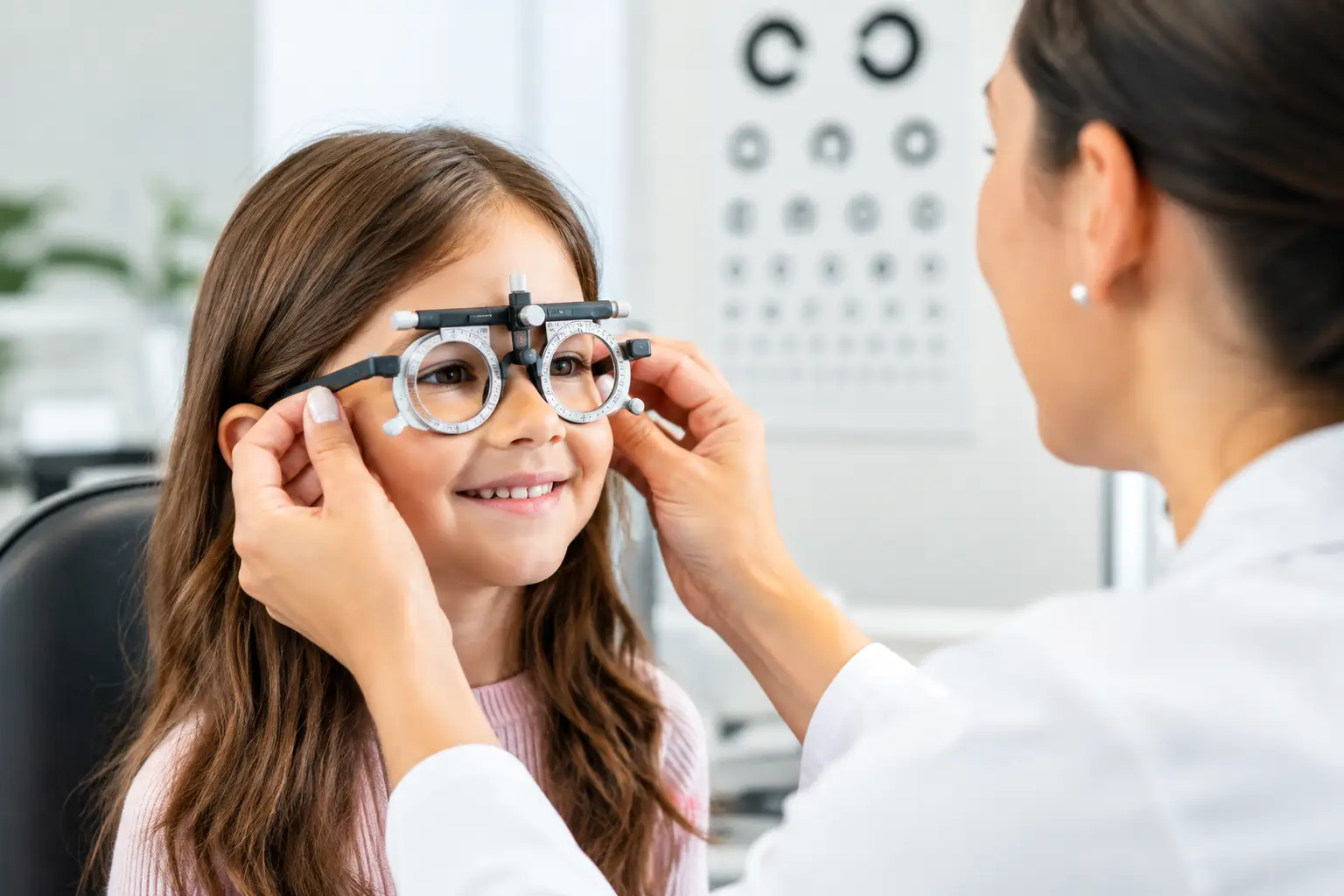
Good vision should not be left to chance or to a school screening alone. A comprehensive children’s eye examination is designed around their age and confidence level, using clear, child-friendly tests rather than expecting them to read a standard letter chart.
For most children, regular checks are sensible even when there are no apparent concerns. Your optometrist can advise on the right interval for your child, especially if they already wear glasses, have a family history of eye conditions, or have had changes in their vision. In the UK, children under 16, and under-19s in full-time education, may be eligible for an NHS-funded eye test.
Try to frame appointments positively. Rather than telling your child they are being tested, explain that the optometrist will look at how their eyes see and work, much like a check-up for the rest of their health. A relaxed appointment makes it easier for children to engage and gives the clinician a clearer picture of their vision.
Know the signs your child may need an eye test
Not every sign points to an eyesight problem. Headaches, for example, can have many causes. But a pattern of visual discomfort or changed behaviour is worth discussing with an optometrist.
Look out for squinting, frequent blinking, rubbing the eyes, sitting unusually close to screens, holding books very near, covering one eye, tilting the head, or losing their place when reading. Some children complain that words move on the page or that the board at school looks blurred. Others may avoid reading, drawing, catching games or activities they once enjoyed.
It is also helpful to listen to teachers. A child who seems inattentive in class may be finding it difficult to see the whiteboard or follow close work for long periods. Vision is only one possible explanation, but it is a straightforward one to check.
Make screen time kinder on young eyes
Screens do not automatically damage a child’s eyes, but long, uninterrupted periods of close focus can cause tired, dry or uncomfortable eyes. More screen time can also mean less time outdoors, which matters because outdoor play is associated with a lower risk of short-sightedness progressing in children.
The practical aim is balance, not perfection. Encourage regular breaks from close work and screens. A simple habit is to ask your child to look across the room or out of the window for a short time every 20 minutes. They should sit at a comfortable distance, avoid using a tablet right up close to their face, and use sensible room lighting rather than staring at a bright screen in a dark room.
For older children, involve them in setting routines around gaming, homework and bedtime. A screen-free wind-down period supports sleep as well as comfort. If schoolwork requires a device, focus on breaks and posture rather than making screens feel forbidden.
Outdoor time is part of eye care
Regular daylight and active play are valuable for children’s general wellbeing and their eyes. This does not need to be organised sport. Walking to the park, playing in the garden, cycling or spending time outside with friends all count.
There is no single number of hours that works for every family, particularly during darker months or busy school weeks. The useful question is whether outdoor time is a normal part of your child’s routine, rather than something squeezed in only at weekends.
Help children get comfortable with glasses
If glasses are prescribed, the goal is not simply to get a pair on your child’s face. The fit, prescription and their willingness to wear them all matter. Poorly fitted frames can slide down, pinch behind the ears or leave marks on the nose, making even the right prescription frustrating to use.
Let your child have a say in the frame choice within the options that fit properly. A pair they like is more likely to be worn. For younger children, flexible, durable frames and well-fitted arms can make a real difference during school and play.
Build glasses into familiar moments, such as getting dressed, packing the school bag or settling down to read. If they have been advised to wear glasses all the time, consistent use helps them adapt. If glasses are only for distance or close work, explain when to use them in simple terms.
Glasses should be checked if your child says they are uncomfortable, if one lens sits higher than the other, or if the frames have been bent during play. Small adjustments can make a big difference, and children’s faces change quickly as they grow.
Protect eyes during play, sport and sunny days
Children are active, curious and sometimes wonderfully unaware of hazards. Keeping household chemicals, aerosols, sharp objects and strong cleaning products safely out of reach is basic but essential eye safety. Teach children never to spray products near faces or throw objects such as stones and sticks towards others.
For sports with a higher risk of knocks or flying objects, ask an optometrist whether protective eyewear is appropriate. Ordinary glasses are not designed to provide sports protection. The right option depends on the activity, the child’s prescription and how regularly they take part.
Sunglasses are useful on bright days, particularly around water or on holiday, but they need proper UV protection. A hat with a brim is another simple layer of protection. More importantly, make sun safety feel ordinary rather than a special rule reserved for the beach.
Support healthy eyes without chasing quick fixes
A varied diet supports a child’s overall health, including healthy eyes. Colourful fruit and vegetables, leafy greens, eggs, oily fish where suitable, beans and nuts for older children all have a place in balanced family meals. There is no need for expensive supplements unless they have been specifically recommended by a healthcare professional.
Hydration, sleep and time away from close-up tasks also influence how comfortable children’s eyes feel. Tired eyes after a late night of homework or gaming are common. Persistent soreness, redness, light sensitivity or watering, however, deserves professional advice rather than repeated use of over-the-counter drops.
Avoid sharing eye drops between family members or using redness-relieving drops for children without guidance. A red eye can be caused by irritation, infection, allergy or injury, and the right treatment depends on the cause.
Best children’s eye care tips for confident families
The most useful approach is steady and practical: arrange routine eye examinations, encourage outdoor time, make screen breaks normal, and act on changes you notice. You do not need to inspect every blink or worry about every complaint. Children’s eyes can become tired just as adults’ do.
What matters is recognising when something is persistent, one-sided, painful or affecting school, play or confidence. Sudden loss of vision, a painful red eye, an eye injury, a new squint, or a white-looking reflection in the pupil should be assessed urgently.
At a family-focused practice such as Eyespy Eye and Dental Care in Leytonstone, children can be given time, clear explanations and a reassuring environment. A good eye appointment should leave both parent and child understanding what was checked, what the results mean and what happens next.
The best habit you can give your child is the confidence to mention when something does not look or feel right. When they know that eye care is a normal part of growing up, looking after their vision becomes far less daunting.