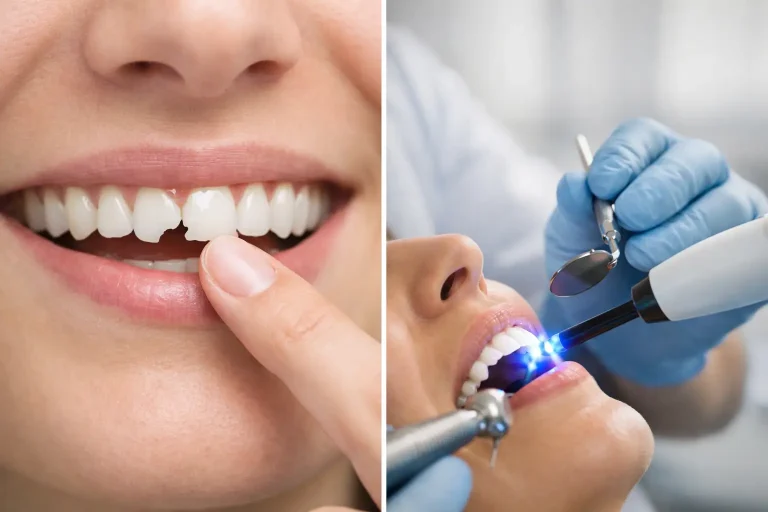
A small chip on a front tooth can change the way you smile in photos, speak in meetings, or feel when someone looks closely at your teeth. If you have been wondering what is composite bonding, the simple answer is that it is a cosmetic dental treatment that uses tooth-coloured resin to improve the shape, size, surface or appearance of a tooth without more invasive work.
For many people, composite bonding sits in a helpful middle ground. It is usually quicker and more affordable than porcelain veneers, while often being more cosmetic than a standard filling. It can make a noticeable difference to a smile, but it is not the right answer for every tooth or every patient. That is why a proper assessment matters.
What is composite bonding and how does it work?
Composite bonding uses a sculptable resin material that is carefully applied to the tooth, shaped by the dentist, and then hardened with a curing light. The aim is to blend the material with the natural tooth so the result looks balanced and believable rather than obvious.
The treatment is commonly used to repair minor chips, smooth uneven edges, close small gaps, disguise discolouration, or make teeth look more symmetrical. In some cases it can also help a worn tooth look fuller again. Because the material is added directly onto the tooth, there is often little or no drilling involved, which is one reason many patients find it appealing.
A good composite bonding result depends on planning as much as placement. Tooth shade, bite, face shape and the way your other teeth sit all matter. A bonded edge that looks perfect in isolation may not work if it changes how your teeth meet, or if it stands out next to the surrounding enamel.
Who is composite bonding suitable for?
Composite bonding is usually best for patients with healthy teeth and gums who want to improve smaller cosmetic concerns. It suits cases where the underlying tooth is generally sound but the finish is not quite right.
That might include a chipped front tooth, slight spacing, irregular edges, mild wear, or a tooth that looks a little smaller or differently shaped than the one next to it. It can also be useful after orthodontic treatment, when the teeth are straighter but still need some refinement in shape.
It is less suitable where there is heavy grinding, unstable bite pressure, significant decay, or gum disease that needs treating first. If a tooth is badly broken down, another treatment may offer better strength and longevity. This is where a careful, honest conversation is important. Cosmetic treatment should improve your smile, but it also needs to work day to day when you are eating, talking and living normally.
What happens during the appointment?
Composite bonding is often completed in one visit, depending on how many teeth are being treated. The appointment usually starts with shade matching so the resin blends naturally with your existing teeth. The tooth surface is then prepared so the material can bond properly.
The composite is placed in layers and shaped by hand. This part is both clinical and artistic. The dentist builds contour, texture and length in a way that suits your natural smile rather than producing a flat, overdone look. Once the material is cured, it is refined and polished so it feels smooth and looks like part of the tooth.
In many cases, no injection is needed because very little natural tooth structure is removed. Patients often like that aspect, especially if they want a more conservative option. That said, the exact approach depends on the tooth and the result being planned.
The benefits of composite bonding
The biggest benefit is that it can create a visible cosmetic improvement without the commitment of more invasive treatment. Preserving natural tooth tissue is a real advantage, particularly for younger adults or anyone who wants to keep future options open.
It is also relatively quick. Many smile concerns that might bother someone for years can be improved in a single appointment or over a short treatment plan. For patients balancing work, family and budgets, that practical side matters.
Another strength is repairability. If bonded material chips or wears, it can often be adjusted or repaired without starting from scratch. That is different from some other cosmetic treatments, where replacement can be more involved.
Cost is part of the conversation too. Composite bonding is often more accessible than porcelain-based options, which makes it a realistic choice for people who want a smile refresh without a larger financial step. Transparent pricing and clear treatment planning are especially helpful here, because the cost can vary depending on how many teeth are being bonded and how complex the work is.
The trade-offs to know about
Composite bonding can look excellent, but it is not magic and it is not permanent. The resin is durable, though not as strong or stain-resistant as porcelain. Over time, it can pick up surface staining from tea, coffee, red wine or smoking, and it may lose some of its polish.
It also needs sensible use. Biting fingernails, chewing pen lids, opening packaging with your teeth, or tearing into very hard foods can all shorten its lifespan. If you grind your teeth at night, a protective night guard may be recommended.
There is also a design limit. Bonding works beautifully for small to moderate changes, but when a patient wants a dramatic alteration in colour, alignment or tooth position, another approach may be more predictable. Sometimes the best result comes from combining treatments in the right order rather than expecting one treatment to do everything.
How long does composite bonding last?
A realistic average is several years, but there is no single fixed number that suits everyone. Some bonded teeth stay in very good condition for longer, while others need maintenance sooner. It depends on your bite, habits, diet, oral hygiene and where the bonding is placed.
Bonding on the edges of front teeth may be more prone to chipping than bonding placed in a lower-stress area. Someone who looks after their teeth carefully and attends regular check-ups may get longer life from the treatment than someone with heavy grinding or poor home care.
The key point is that longevity is partly in the material and partly in the patient. Good planning from the dentist matters, but aftercare matters too.
What is composite bonding aftercare?
If you are asking what is composite bonding aftercare, think of it as simple maintenance rather than anything complicated. Brush twice daily with fluoride toothpaste, clean carefully between the teeth, and keep up with routine dental visits so the bonding can be checked and polished if needed.
For the first day or two after treatment, it is sensible to be careful with strongly staining foods and drinks. Longer term, moderation helps. You do not have to give up coffee, but regular staining habits may affect how fresh the bonding looks over time.
Try not to bite directly into very hard foods with bonded front teeth. If you clench or grind, speak to your dentist. Protecting the work is often straightforward once the risk is identified.
Composite bonding compared with other options
Patients often ask how bonding compares with veneers, whitening or fillings. The answer depends on the problem you are trying to solve.
Whitening changes tooth colour but not shape. If your teeth are healthy and the main issue is shade, whitening may be enough. If there is also a chip, gap or uneven edge, bonding may be useful either instead of whitening or after it.
Porcelain veneers can offer excellent aesthetics and resist staining well, but they usually involve a higher cost and a different level of intervention. Composite bonding is often chosen by patients who want a conservative, lower-commitment option.
A filling is mainly there to restore a tooth affected by decay or damage. Composite bonding is more focused on appearance, even though the material itself is similar in principle. The planning, shaping and finish are usually much more cosmetic.
Is composite bonding worth it?
For the right person, yes. It can make a smile look tidier, softer and more even without changing the character of the face or the natural teeth too dramatically. That matters because the best cosmetic dentistry does not make you look like somebody else. It helps you look like yourself, just more comfortable smiling.
Still, worth is not only about appearance. It is about whether the treatment fits your goals, habits and budget. A patient who wants a quick improvement for minor imperfections may find bonding excellent value. Someone with more complex bite issues may need a broader plan first.
A good consultation should leave you feeling informed rather than pushed. At Eyespy Eye and Dental Care, that means explaining clearly what composite bonding can do, where its limits are, and what sort of maintenance to expect, so you can decide with confidence.
If there is one helpful way to think about composite bonding, it is this: small changes in the right place can make a very natural difference, and the best results usually come from careful planning, realistic expectations and a dentist who takes time to get the details right.