That sharp, sudden twinge when you sip a hot tea, breathe in cold air or bite into something sweet is easy to dismiss at first. But sensitive teeth can turn small everyday pleasures into something you brace yourself for. The good news is that sensitivity is common, often manageable, and worth checking rather than simply putting up with.
Tooth sensitivity is not a diagnosis in itself. It is a symptom that can have several causes, from worn enamel and exposed tooth roots to a crack, a cavity or gum disease. Finding the reason matters because the right solution depends on what is happening in your mouth.
What causes sensitive teeth?
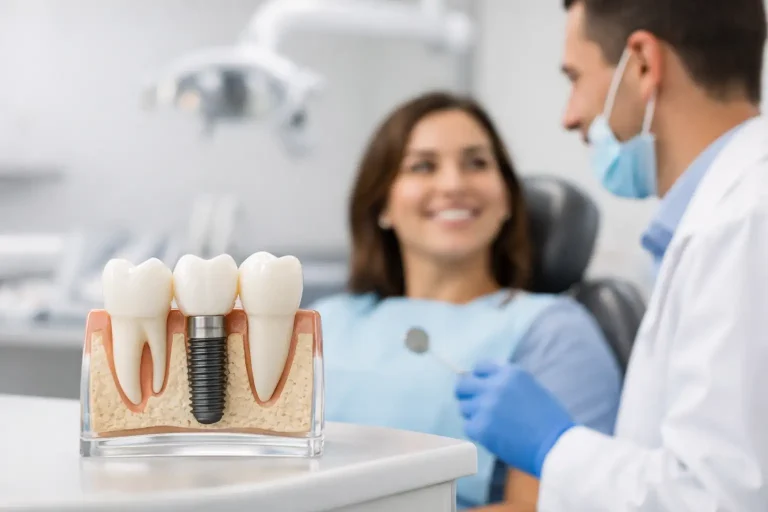
A healthy tooth is protected by enamel above the gum line and cementum around the root. Underneath is dentine, which contains tiny channels leading towards the nerve inside the tooth. When enamel wears down, gums recede or a tooth is damaged, hot, cold, sweet or acidic foods and drinks can stimulate these channels and create that familiar sharp pain.
Acid wear is a frequent cause. Fizzy drinks, fruit juice, sports drinks and frequent snacking on acidic foods can gradually soften and wear enamel. This does not always happen because someone has a poor diet or poor brushing habits. Reflux, morning sickness and some medical conditions can also expose teeth to acid. The pattern, frequency and timing of exposure all make a difference.
Brushing too firmly can contribute too, particularly with a hard-bristled brush or abrasive toothpaste. The aim is not to scrub teeth until they feel squeaky clean. Gentle, thorough brushing with a soft brush and fluoride toothpaste is more effective and kinder to enamel and gums.
Gum recession can expose the root surface, which is less protected than enamel. It may be linked with gum disease, aggressive brushing, grinding or natural changes over time. Sensitivity can also arise after a filling, during orthodontic treatment, or following professional whitening. In these cases, it is often temporary, but it should still be discussed if it is persistent or severe.
Sometimes the issue is local to one tooth. A cavity, loose filling, cracked tooth or infection can all cause pain that feels like sensitivity. This is why a new twinge in one particular area deserves attention, especially if it is getting worse.
The difference between sensitivity and toothache
Sensitive teeth usually cause a brief, sharp sensation triggered by something specific, such as a cold drink. Once the trigger is gone, the pain tends to settle quickly.
Toothache can feel dull, throbbing, lingering or spontaneous. It may disturb sleep, hurt when biting, or be accompanied by swelling, a bad taste or a raised temperature. These signs can point to a problem that needs prompt dental care rather than a change of toothpaste alone.
There is some overlap, so it is sensible not to self-diagnose. A dentist can examine your teeth and gums, review relevant X-rays where needed, and identify whether sensitivity is related to enamel wear, gum health, decay or another issue.
Simple ways to reduce discomfort at home
If the pain is mild and brief, a few careful changes can make a meaningful difference. Choose a toothpaste made for sensitivity and use it consistently. These products work by either calming the tooth nerve or helping block the exposed dentine channels, but they need time. Many people notice improvement after a couple of weeks, rather than after one use.
Brush twice daily using a soft-bristled toothbrush and gentle circular movements at the gum line. Spit out excess toothpaste after brushing rather than rinsing straight away, as this allows the fluoride to stay on the teeth for longer. If acidic food or drink is part of your day, wait around an hour before brushing. Brushing immediately after acid exposure can rub softened enamel away more easily.
Try to reduce how often teeth meet acid, rather than focusing only on cutting out every acidic item. Having juice with a meal is generally kinder to teeth than sipping it throughout the morning. Water is a better between-meal choice, and using a straw for acidic drinks can reduce contact with front teeth. Avoid brushing with harsh whitening or charcoal toothpastes if sensitivity is already a problem, as some can be too abrasive for regular use.
If you clench or grind your teeth, particularly overnight, mention it at your appointment. Grinding can cause tiny cracks, worn biting surfaces and jaw tension, all of which may contribute to discomfort. A dentist can assess the signs and advise on suitable protection where appropriate.
When whitening may need a more careful approach
A brighter smile is a popular goal, but whitening can temporarily increase sensitivity for some people. This does not mean whitening is unsuitable for everyone. It means the condition of the teeth and gums should be assessed first, and the treatment should be planned carefully.
Professional whitening allows your dental team to check for decay, cracks, leaking fillings or gum problems before treatment begins. If sensitivity develops, it may be possible to adjust the timing or frequency of whitening and use desensitising products. Over-the-counter options can be tempting, but they cannot account for the individual causes of discomfort or check whether a tooth needs treatment first.
How a dental appointment can help
A check-up for sensitivity should feel straightforward and unpressured. Your dentist will usually ask what triggers the pain, how long it lasts and whether it affects one tooth or several. They will examine the teeth, gums and bite, looking for signs of wear, recession, decay, cracks and inflammation.
Treatment might be as simple as tailored advice, a prescription-strength fluoride product or a protective desensitising treatment applied in the practice. Where a tooth has decay, a crack or a worn area, a filling or other restorative treatment may be needed to seal and protect it. For gum-related sensitivity, improving gum health and plaque control is often central to long-term comfort.
The most appropriate approach depends on the cause. Covering an exposed area may help in one case, while changing brushing technique or treating gum disease matters more in another. A good plan should explain what has been found, why it is happening and what each treatment is expected to achieve.
Do not wait if you notice these warning signs
Book a dental appointment promptly if pain lingers after hot or cold food, becomes severe, wakes you at night, or hurts when you bite. Swelling of the face or gums, a fever, pus, trauma to a tooth, or a loose tooth should also be assessed quickly. These symptoms may indicate infection or damage that will not resolve with sensitivity toothpaste.
For local patients in Leytonstone and surrounding East London areas, Eyespy Eye and Dental Care can assess sensitive teeth in a calm, welcoming setting and explain the options clearly before any treatment is planned.
Sensitivity is often your mouth’s way of asking for a little attention. Small changes can protect your teeth, but a persistent twinge deserves a proper answer – not another month of avoiding your favourite hot drink.