A small chip, uneven edge or gap can draw your attention every time you smile in a photo or look in the mirror. When considering veneers versus bonding, the right choice is rarely about which treatment is simply ‘better’. It is about the condition of your teeth, the change you would like to see, how much natural tooth structure you want to preserve and the level of upkeep that feels realistic for you.
Both treatments can improve the shape, colour and balance of a smile. They work in very different ways, though, and a careful consultation helps ensure the result looks natural rather than overdone.
Veneers versus bonding: the key difference
Composite bonding uses a tooth-coloured resin that is carefully applied directly to the tooth, shaped by hand and hardened with a curing light. It can add length to a worn edge, disguise a small chip, close a modest gap or improve the appearance of uneven teeth. The clinician builds and sculpts the material in layers, before polishing it to match the surrounding enamel.
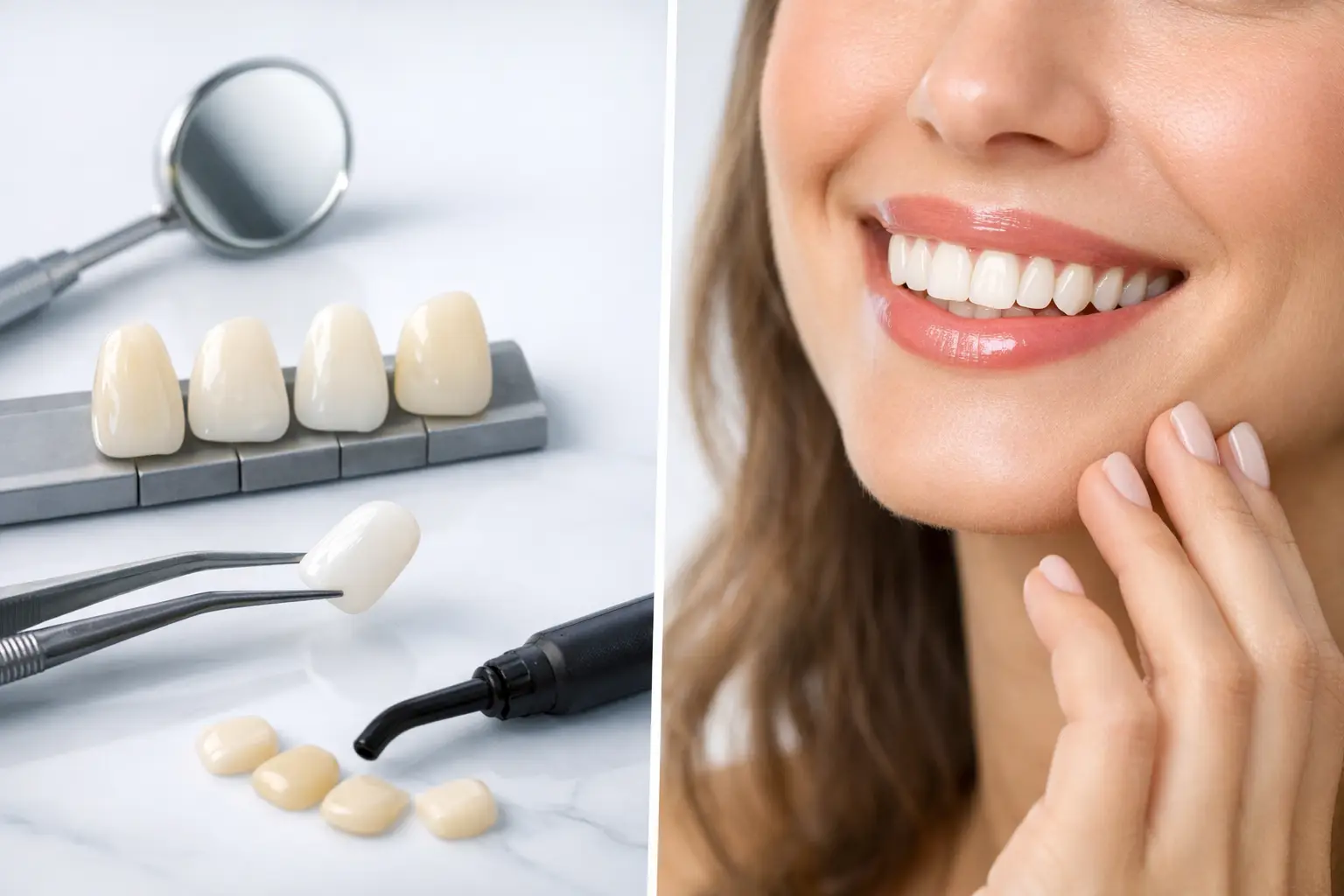
Veneers are thin, bespoke shells that cover the visible front surface of a tooth. They are usually made from porcelain and designed in a dental laboratory to suit the size, shade and character of your smile. Depending on the case, a small amount of enamel may need to be reshaped so the veneer sits naturally and does not look bulky.
Bonding is often the more conservative option for small, localised changes. Veneers may be more suitable where a patient wants a more comprehensive and long-lasting change to several front teeth, particularly if colour, shape and surface texture all need addressing.
When composite bonding may be the right fit
Composite bonding can be an excellent choice when the tooth is healthy and the concern is relatively minor. It is commonly used to repair chips, soften pointed canines, make short teeth appear more even or refine the outline of teeth after orthodontic treatment. For many patients, the ability to make a visible improvement while keeping preparation minimal is a major advantage.
Treatment can often be completed in one appointment, although the number of teeth being treated will affect the time needed. Because the composite is colour matched to your teeth, it can blend beautifully when planned and polished carefully. It is also generally easier to repair if a small piece chips in future.
There are trade-offs. Composite is not as hard-wearing or stain-resistant as porcelain. Tea, coffee, red wine, smoking and strongly coloured foods can gradually affect its appearance, especially around the edges. It may need polishing, repair or replacement over time. If you are prone to clenching or grinding your teeth, a protective night guard may be recommended to help protect the result.
Bonding is also not a shortcut for every cosmetic concern. Large gaps, significant crowding, extensive wear or teeth with underlying health issues may need a different treatment plan first. The aim should always be to create a smile that functions comfortably as well as looking good.
When veneers can make more sense
Porcelain veneers are often chosen for their refined appearance, colour stability and durability. Porcelain reflects light in a way that can closely resemble natural enamel, making it particularly effective for patients who would like a highly polished yet believable result.
They can help improve several concerns at once, such as persistent discolouration, irregular shapes, minor spacing and uneven edges. Where a patient wants to change the overall look of multiple front teeth, veneers can provide a consistent result that is difficult to achieve with whitening or small repairs alone.
The key consideration is tooth preparation. Even very conservative veneer treatment may involve altering the enamel, and this is usually irreversible. Once a tooth has been prepared for a veneer, it will need ongoing protection with a veneer or another suitable restoration in the future. This does not make veneers a poor choice, but it does make the planning stage especially important.
Veneers are also more involved to make than bonding. Your dentist will assess your bite, discuss the preferred tooth shape and shade, and take records to guide the design. Temporary veneers may be used while the final restorations are being made, depending on the treatment approach. The finished veneers are then bonded securely into place.
Appearance, longevity and maintenance
A good cosmetic result should suit your face, lips, natural teeth and personality. Some people want a brighter, more uniform smile; others want to retain small details that make their smile recognisably their own. The best plans are tailored, not copied from a photograph.
Porcelain veneers usually retain their polish and shade better than composite bonding. With careful home care and regular dental check-ups, they can last many years. Their lifespan still depends on factors such as bite forces, habits and oral hygiene. Veneers can chip or fracture, and they are not indestructible.
Composite bonding can also last well with sensible care, but it is more likely to require occasional maintenance. Polishing can refresh the surface, while small chips can often be repaired directly. This can make bonding appealing for patients who prefer a treatment that can be adjusted more easily over time.
Whichever option you choose, brushing twice daily with fluoride toothpaste, cleaning between your teeth and attending hygiene appointments will help protect the gums around the teeth. Avoid using your teeth to open packaging or bite hard objects, and let your dentist know if you wake with jaw tension or notice signs of grinding.
How cost should influence your decision
Cost matters, but it should sit alongside the likely lifespan, maintenance needs and the amount of treatment required. Composite bonding often has a lower initial cost per tooth than porcelain veneers. Veneers usually involve more planning, laboratory work and clinical time, which is reflected in the fee.
It can be tempting to choose based on the cheapest starting price, especially when several teeth are involved. A more useful question is what you are hoping to achieve and what maintenance you are comfortable with. For example, bonding may be ideal for repairing one chipped tooth, while veneers may offer better value for a person seeking a coordinated, durable change across several teeth.
A clear written treatment plan should explain what is included, any likely future maintenance and the alternatives available. At Eyespy Eye and Dental Care, patients can discuss their goals without pressure and receive straightforward advice about suitable options, including available finance pathways where appropriate.
Your teeth and bite come first
Neither veneers nor bonding should be used to cover up untreated decay, gum disease or an unstable bite. Healthy gums provide the foundation for cosmetic dentistry, while tooth alignment and bite patterns can affect how long any cosmetic work lasts.
Sometimes the most appropriate route is to improve alignment before reshaping teeth. In other cases, whitening may be recommended before bonding so the composite can be matched to the brighter shade you want. Composite does not whiten after it has been placed, so planning the order of treatment avoids disappointment later.
Your dentist should also assess whether the shade, shape and proportion you have in mind will work safely for your teeth. Honest advice may include saying that a very dramatic change is not the most conservative choice. That is part of personalised care, not a limitation of the treatment.
Choosing with confidence
The decision between veneers and bonding is personal, but it should be informed by a clinical assessment rather than photographs alone. Bring examples of smiles you like, explain what bothers you most and be open about your budget, timeline and concerns about drilling or future maintenance.
A carefully planned change does not have to be dramatic to make a difference. Whether the answer is a subtle composite repair or a set of beautifully designed veneers, the most satisfying result is one that feels comfortable, healthy and genuinely like your smile.