A straighter smile can feel like a small change with a big effect – particularly when you have spent years hiding your teeth in photographs or covering your mouth when you laugh. But a clear aligners review should be about more than discreet trays and impressive before-and-after images. The real question is whether the treatment suits your teeth, routine and expectations.
Clear aligners can be an excellent option for many adults and teenagers, but they demand commitment. They are removable, which is a genuine advantage, yet that same flexibility means results rely on wearing them consistently. Here is a clear, balanced look at what treatment involves and what patients should consider before deciding.
What are clear aligners?
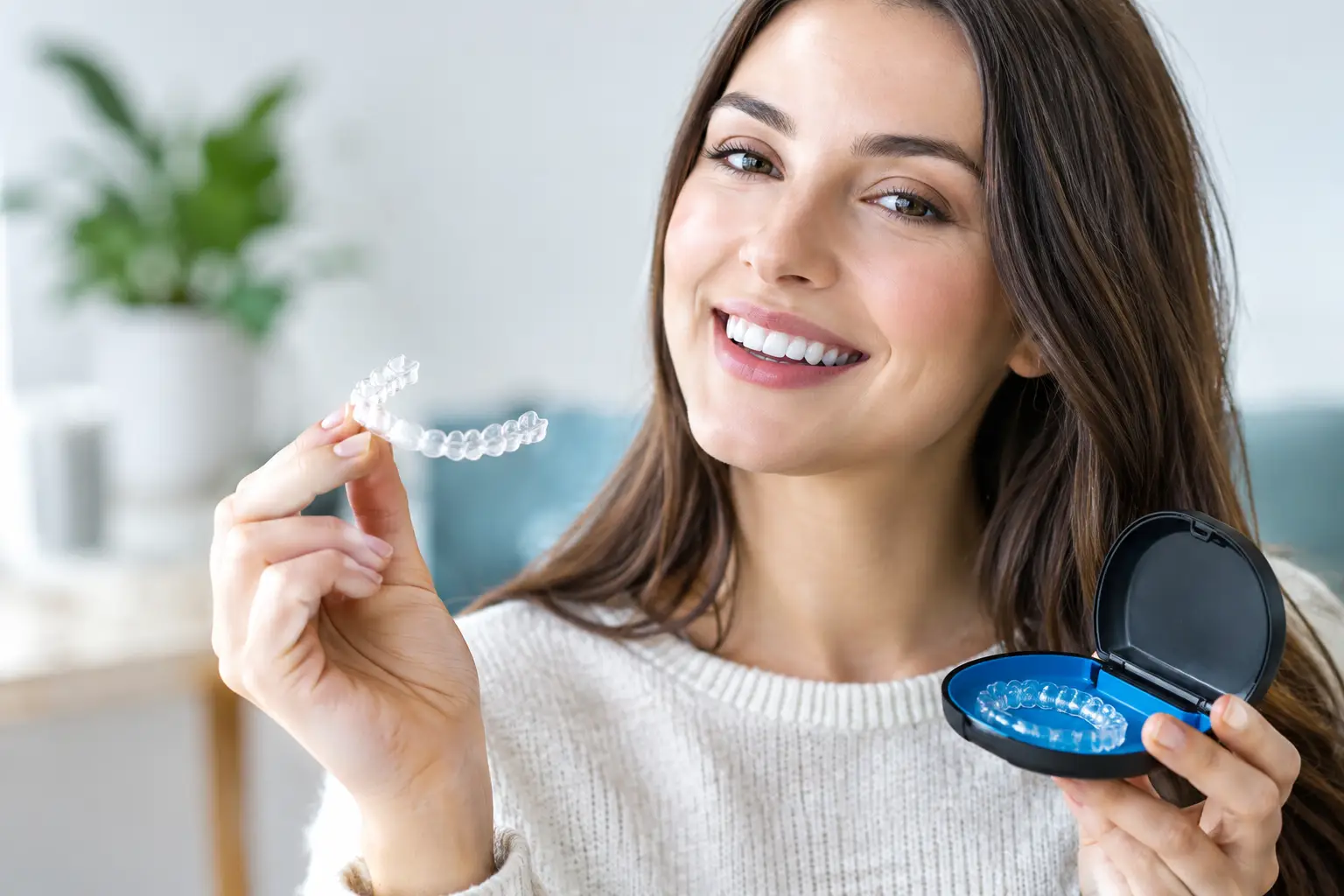
Clear aligners are custom-made, transparent trays that apply gentle, controlled pressure to move teeth over time. You wear a sequence of aligners, changing to the next set as directed by your clinician. Each tray is designed to make a small planned adjustment, gradually guiding teeth towards their intended positions.
They are often chosen by people who want orthodontic treatment without the look of fixed braces. Because the trays are close-fitting and transparent, they are far less noticeable in day-to-day conversations, at work and in photos. They can also be removed for meals and for brushing and flossing.
That does not mean every orthodontic concern can be treated in exactly the same way. Simple crowding, spacing and minor bite concerns may be well suited to aligners. More complex movements or significant bite problems may need a different approach, or a combination of treatments. A proper assessment is the only reliable way to know.
Clear aligners review: the benefits and trade-offs
The appeal of clear aligners is easy to understand. They are discreet, removable and designed around a personalised treatment plan. For patients with busy jobs, social plans or family responsibilities, being able to take aligners out briefly for a meal can make treatment feel more manageable.
Comfort is another common reason people enquire. There are no brackets or wires, so there is less risk of irritation to the cheeks and lips associated with fixed braces. However, aligners are not entirely sensation-free. When you begin a new tray, your teeth may feel tender or under pressure for a day or two. This is usually a sign that the aligner is working as planned, but it is worth expecting rather than being surprised by it.
The main trade-off is wear time. Aligners generally need to be worn for around 20 to 22 hours a day, only coming out for eating, drinking anything other than water, and cleaning your teeth. Leaving them out for long lunches, evenings out or frequent snacking can slow progress and affect how well the next aligner fits.
There is also a little more daily organisation involved. You need to store your aligners safely when they are out, clean them regularly and avoid wrapping them in a napkin where they can easily be thrown away. For organised patients, this soon becomes routine. For someone who knows they are likely to forget or misplace them, fixed braces may be more practical.
What does treatment feel like in real life?
Most patients settle into clear aligner treatment quickly. You may notice a slight change to your speech for the first few days, especially with certain sounds, but this normally improves as your mouth adjusts. Drinking water with aligners in is usually fine, while hot drinks can warp the plastic and coloured drinks may stain it.
Oral hygiene is a major positive when compared with fixed appliances. You remove the trays to brush and floss as normal, so there are fewer awkward areas around brackets and wires. The responsibility still matters: teeth should be cleaned before putting aligners back in, especially after meals. Trapping food debris and sugary residue against teeth for hours is not good for dental health.
Appointments are an important part of the process, even if treatment feels straightforward at home. Your clinician checks that teeth are tracking as expected, answers questions and makes adjustments where needed. Occasionally, refinement aligners are required towards the end of treatment to improve the final result. This is not necessarily a problem or a failure – it can be a normal part of achieving a precise outcome.
Who tends to be a good candidate?
Clear aligners are particularly popular with adults who want a subtle way to address mild to moderate crowding, gaps or tooth positions that affect their confidence. They may also suit younger patients who can reliably follow the wear instructions and take care of the trays.
Healthy gums and teeth are the best starting point. If there is active decay, gum disease or another dental issue, this should usually be treated first. Moving teeth in an unhealthy mouth is not a shortcut to a healthy smile. A thorough consultation should look at your teeth, bite, gums and the practical goals behind your decision.
It also helps to be specific about what you would like to change. Perhaps one front tooth sits behind the others, there are gaps that show in photos, or your teeth have shifted since earlier orthodontic treatment. Sharing these concerns allows your clinician to explain what is realistically achievable and whether aligners are likely to meet your expectations.
Cost, timing and the value of careful planning
The cost of clear aligner treatment varies because every case is different. A short course to correct minor movement will not involve the same planning, number of aligners or monitoring as comprehensive treatment that addresses several concerns. Your quote should make clear what is included, such as appointments, retainers and any expected refinement stage.
It is sensible to look beyond the lowest advertised figure. Orthodontic treatment is a clinical process, not simply a product you order. Careful assessment, a personalised plan and ongoing reviews help protect both your result and your dental health. For patients who prefer to spread the cost, 0% finance options may be available, subject to eligibility and the practice’s terms.
Treatment times also vary. Some patients see their desired changes in a matter of months, while others need longer. Teeth do not move to a calendar deadline, and a clinician who promises an exact outcome without first examining you should raise questions.
Questions worth asking at your consultation
A good consultation should feel informative, not pressurised. Ask what the treatment is designed to correct, how long it is likely to take, how often you will be reviewed and what happens if an aligner is lost or does not fit properly. You may also want to ask whether attachments will be needed. These are small, tooth-coloured shapes placed on certain teeth to help the aligners create more precise movements.
Ask about retainers too. Once teeth have moved, they have a natural tendency to shift over time. Wearing retainers as advised is how you protect the result you have invested in. This is a long-term part of orthodontic care, rather than an optional extra after treatment finishes.
At Eyespy Eye and Dental Care, conversations about clear aligners begin with your individual smile, dental health and priorities. For patients in Leytonstone and nearby East London areas, that means having the space to understand the options before making a decision.
Making clear aligners work for you
The most successful clear aligner patients are not necessarily those with the simplest cases. They are the ones who make treatment part of everyday life: wearing trays for the recommended time, keeping up with cleaning, attending reviews and contacting the practice promptly if something does not feel right.
Clear aligners can offer a discreet, comfortable and effective route to a straighter smile, but they are not a magic fix and they are not right for every mouth. Take the time to ask honest questions, understand the commitment and choose care that gives you clear explanations at every stage. A confident smile should feel well planned, well supported and entirely your own.