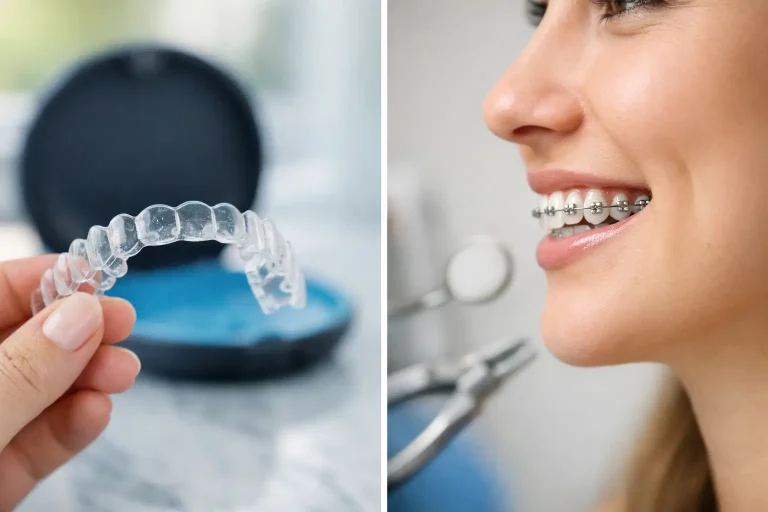
If you have noticed more staining, bleeding when brushing, or that furry feeling on your teeth by the end of the day, the first question is often practical: how much is a dental hygienist appointment? It is a fair question, and the answer usually depends on how much treatment your teeth and gums need, how long the appointment is, and whether you are booking a routine clean or more involved gum care.
For most patients in the UK, a hygienist appointment commonly falls somewhere between around £50 and £120 for a standard visit. That said, prices can be lower or higher depending on the clinic, the area, and the type of treatment included. A straightforward scale and polish for light staining will usually cost less than a longer appointment for deeper cleaning around the gums.
How much is a dental hygienist appointment in the UK?
A standard private hygienist appointment often sits in the mid-range of local dental pricing. In many practices, a shorter maintenance visit may start at around £50 to £70, while a more comprehensive clean can be closer to £80 to £120. If you need periodontal treatment for gum disease, the cost may rise because the appointment is usually longer and more clinically involved.
That range can feel broad, but there is a reason for it. Not every mouth needs the same level of care. Some patients attend every six months, keep up excellent home cleaning, and only need light scaling. Others come in after a longer gap, have heavier tartar build-up, smoking stains, or signs of inflamed gums, and need more time in the chair.
If you are comparing prices, it helps to check what is actually included rather than focusing on the number alone. One appointment fee may cover a full hygiene assessment, scale, polish, stain removal, and tailored advice. Another may be priced lower but allow less time or exclude more advanced treatment.
What affects how much a dental hygienist appointment costs?
The biggest factor is the amount of treatment required. A patient with minor plaque and surface stains will usually need a simpler appointment than someone with calculus build-up below the gumline. The more detailed the cleaning, the more time and clinical care are involved.
Appointment length also matters. Some hygienist visits are booked for 20 or 30 minutes, while others may run for 45 minutes or longer. Longer appointments are often needed for patients with sensitive teeth, significant staining, braces, implants, or early gum disease.
Location can influence pricing too. Dental fees in London are often higher than in other parts of the UK, reflecting higher running costs. Even so, independent local practices often work hard to keep pricing clear and fair, especially for routine preventive care.
Technology and treatment approach can make a difference as well. Air polishing, deeper gum cleaning, or treatment around implants may carry a different fee from a standard hygiene visit. This is not necessarily about upselling. It is simply that different tools and techniques are used for different clinical needs.
What do you get at a hygienist appointment?
A hygienist appointment is about far more than making your teeth look cleaner. Yes, you may leave with a fresher, brighter smile, but the main aim is to reduce plaque, remove hardened tartar, and support healthier gums.
At a typical visit, the hygienist will assess the condition of your gums, look for plaque and tartar deposits, and clean areas that are difficult to manage at home. They may use ultrasonic instruments, hand scalers, and polishing tools to lift deposits and surface staining. If needed, they will also talk you through better brushing technique, interdental cleaning, and ways to protect your gums between visits.
This advice is often one of the most valuable parts of the appointment. Small changes in technique can make a real difference, particularly if you are prone to bleeding gums, tartar build-up behind the lower front teeth, or staining from tea, coffee, or smoking.
Standard clean or gum treatment – why the price can change
When people ask how much is a dental hygienist appointment, they are often thinking of a routine clean. That is the most common type of visit, but it is not the only one.
A routine hygiene appointment is usually suitable for patients who want regular maintenance and stain removal. Gum treatment, on the other hand, is often recommended when there are signs of periodontal disease such as persistent bleeding, deeper pockets around the teeth, or bone loss. This kind of care can involve more than one visit and may need local anaesthetic, depending on the depth of cleaning required.
That means the fee structure may change. A practice may charge one price for maintenance hygiene and a higher price for periodontal therapy. If that happens, a good clinic should explain why clearly, what is involved, and whether more than one session is likely to be needed.
Is a cheaper hygienist appointment always better value?
Not necessarily. Cost matters, especially for families balancing household budgets, but value is about more than the lowest price on a fee list.
A lower-cost appointment may be perfectly suitable if you only need a simple clean and your gums are healthy. But if you have not been for a while, feel anxious in the chair, or need a clinician who will take time to explain what is happening, a slightly longer or more tailored appointment can be better value in practice.
The best approach is to look for transparent pricing, enough time for proper care, and a team that explains your options without pressure. That tends to lead to better long-term oral health and fewer surprises later on.
How often should you see a hygienist?
There is no one-size-fits-all answer. Many patients benefit from seeing a hygienist every six months, but others may be advised to come more often. If you have gum disease, heavy plaque build-up, braces, implants, crowns, or a history of staining, you may need visits every three to four months.
If your mouth is stable and easy to maintain, your appointments may be spaced further apart. This is why personalised advice matters. Regular attendance can also help keep future treatment simpler and less costly. Small amounts of tartar are easier to remove than years of neglected build-up.
Signs it is time to book a hygienist appointment
Sometimes the need is obvious. You can see staining on your teeth, your gums bleed when you brush, or your breath never feels fresh for long. At other times, the signs are easy to miss.
If your teeth feel rough, your gums look puffy, or flossing has become uncomfortable, it is worth getting checked. Patients are often surprised by how much cleaner and more comfortable their mouth feels after a proper hygiene visit. It is not just cosmetic. Healthier gums can make brushing easier and reduce the risk of more complex dental problems later.
How to choose the right hygienist appointment
Start with clarity. Ask what the fee includes, how long the appointment lasts, and whether it is intended for routine maintenance or more advanced gum care. If you have sensitive teeth or feel nervous, mention that when booking so enough time can be allowed.
It also helps to choose a practice that takes a calm, personalised approach. In a community setting, where patients value familiarity and clear explanations, that can make routine care feel much more manageable. For many people in Leytonstone and the surrounding area, convenience matters too. Being able to access trusted care close to home often makes it easier to keep up with regular visits instead of putting them off.
At an independent practice such as Eyespy Eye and Dental Care, the difference is often in that extra attention – taking the time to explain what your gums need, what the cost covers, and how to maintain the results between appointments.
So, how much should you expect to pay?
As a realistic guide, expect a routine private hygienist appointment in the UK to cost roughly £50 to £120, with the final figure depending on the complexity of the clean, the time needed, and your location. If gum treatment is required, the cost may be higher, and there may be more than one session.
The good news is that hygienist care is one of the most practical ways to protect your oral health before small problems turn into bigger ones. If you are unsure what you need, the most helpful next step is simply to ask for a clear explanation of the appointment type, likely cost, and whether your care can be tailored to your teeth and gums. A good clinic will make that conversation straightforward, not awkward.