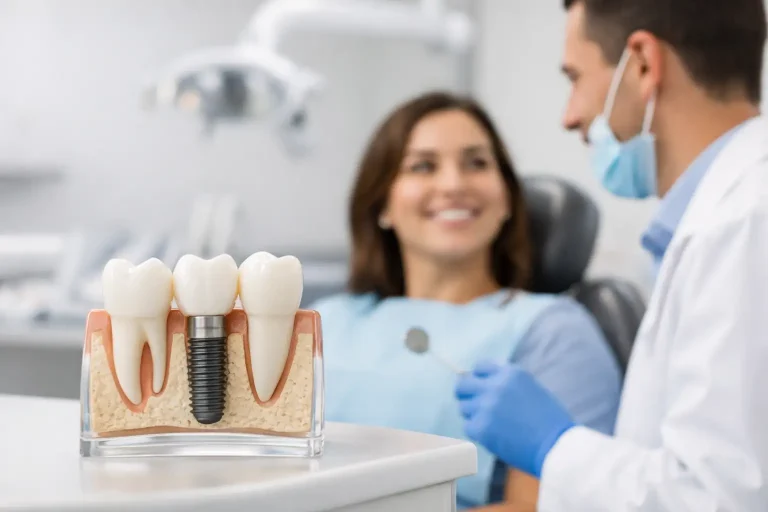
A small cavity can feel like a much bigger worry when you are lying awake wondering, do fillings hurt? The reassuring answer is that a filling should not be painful. You may notice pressure, vibration and the sound of the dental drill, but your dentist will use local anaesthetic to numb the tooth and surrounding area before treatment begins.
Feeling nervous is common, including for people who attend regular check-ups. A good dental team will explain what is happening, check that you are comfortable and give you time to pause if you need it. Knowing what to expect can make the appointment feel far more manageable.
Do fillings hurt during treatment?
Once the area is properly numb, most people feel little more than pressure. Your dentist first removes the decayed or damaged part of the tooth, cleans the area and places a filling material to restore its shape and strength. The exact steps vary depending on the size and position of the cavity, but the aim remains the same: to remove the problem while keeping as much healthy tooth as possible.
The part people often worry about most is the injection. You may feel a brief scratch or pinch as the local anaesthetic is given, followed by a tingling or heavy sensation in your lip, cheek or tongue. This usually settles within a few hours. A topical numbing gel can be used before the injection in some cases, and giving the anaesthetic slowly can help make the experience more comfortable.
If you feel a sharp sensation at any point during treatment, tell your dentist straight away. You do not need to try to tolerate it. More anaesthetic can usually be given, or the dentist can pause to find out what is causing the discomfort.
What you might notice instead of pain
Dental treatment involves sensations that can be unfamiliar, even when it is not painful. You may feel gentle pushing as the dentist works, hear a high-pitched sound from the handpiece, or feel water being sprayed and suction being used to keep the tooth dry. These are normal parts of the procedure.
Some teeth can be more difficult to numb, particularly if there is significant inflammation or infection. This does not mean you have done anything wrong, and it does not mean treatment has to continue while you are uncomfortable. Let the team know exactly what you can feel so they can adapt the approach.
Why a filling can feel sensitive afterwards
It is possible to have mild sensitivity once the numbness wears off. The tooth may be tender when biting, or react to cold, heat or sweet foods for a few days. This can happen because the tooth and the tissues around it have been worked on, especially if the cavity was deep.
For most people, this improves steadily without any special treatment. Avoiding very hot, cold or hard foods for the first day can help, and an over-the-counter painkiller that is suitable for you may ease tenderness. Follow the instructions on the packet and seek advice from a pharmacist if you are unsure what you can take.
A filling can occasionally feel slightly high when you bite together. Even a tiny difference can make a tooth feel sore because it receives more pressure than it should. Contact your dentist if your bite feels uneven or the tooth hurts when you chew. A simple adjustment may be all that is needed.
When should you call the dentist?
Mild sensitivity that gets better is usually expected. However, contact your dental practice if pain is severe, keeps you awake, worsens after a few days, or is accompanied by swelling, a bad taste, fever or difficulty opening your mouth. These symptoms need assessment rather than waiting them out.
Persistent sensitivity can also indicate that decay was close to the nerve inside the tooth, or that another issue is present. Sometimes a deeper problem needs further care. Acting promptly gives your dentist the best chance to protect the tooth and relieve your discomfort.
What affects whether fillings hurt?
No two fillings are exactly alike. A small area of early decay may be quick to treat, while a larger cavity can take longer and leave the tooth more sensitive afterwards. The location matters too: back teeth cope with strong biting forces, while front teeth may need a different approach to achieve a natural-looking result.
Your own level of dental anxiety also affects how the appointment feels. When we are tense, ordinary sensations can seem more intense. That is a real response, not a lack of bravery. Telling your dentist that you are anxious allows them to slow down, explain each stage and agree a clear signal for taking a break.
Previous experiences can play a part as well. If you had uncomfortable treatment years ago, it is understandable to expect the same again. Dentistry, materials and pain-control techniques have changed considerably, and a calm conversation before treatment can help replace uncertainty with a plan that feels right for you.
How to make your filling appointment easier
Start by being honest about your concerns when booking or at the beginning of the visit. Whether you dislike injections, worry about the drill or find it hard to sit still, this information helps your dental team personalise your care.
It can help to eat a light meal beforehand unless you have been given different instructions, as your mouth may remain numb for a little while afterwards. Give yourself enough time to arrive without rushing, and consider bringing headphones if listening to music helps you relax. During treatment, slow breathing and focusing on a fixed point in the room can be surprisingly useful.
Ask your dentist to talk you through the treatment, or to keep explanations brief while they work – preferences differ. You can also agree to raise your hand if you need a pause. Having that control often makes a meaningful difference.
For patients in Leytonstone and the surrounding East London area, Eyespy Eye and Dental Care takes time to explain treatment options clearly, so you know what is planned and why before you commit to it. There should be no pressure to pretend you are comfortable when you are not.
Is it better to treat a cavity early?
Usually, yes. Decay does not reliably stop on its own, and a small cavity can become larger if it is left untreated. Early treatment may mean a simpler filling, less tooth structure removed and a lower likelihood of the decay reaching the nerve.
That said, not every early change to enamel needs an immediate filling. Your dentist may recommend monitoring an area, improving cleaning habits, using fluoride products or making dietary changes where the surface is still intact. The right choice depends on the examination, any X-rays taken and your individual risk of further decay.
Regular check-ups are valuable because they allow these decisions to be made before pain forces the issue. Toothache is often a late sign, not the first sign, of decay.
Looking after a new filling
Once the anaesthetic has worn off, return to brushing twice daily with fluoride toothpaste and cleaning between your teeth each day. Fillings do not decay, but the edges where filling and tooth meet can still collect plaque and develop new decay if cleaning is difficult.
Try not to chew hard foods until normal sensation has returned, as it is easy to bite your cheek, tongue or lip while numb. If you have a white composite filling, good home care and regular hygiene appointments can help maintain both your oral health and the appearance of your smile.
A filling is a routine treatment, but it should never feel like something you simply have to endure. The most helpful next step is to share your worries before you sit in the chair, so your dentist can make the experience as calm, comfortable and predictable as possible.