A brighter smile can make a real difference before a wedding, job interview or simply when you see yourself in photos. But whitening is not one-size-fits-all. This Philips Zoom whitening review looks at what the treatment involves, the results you can reasonably expect and the points to consider before booking.
Philips Zoom is a professional whitening system carried out under dental supervision. That matters because your teeth, gums, existing dental work and cause of discolouration all affect whether whitening is appropriate and how noticeable the change may be.
Philips Zoom whitening review: the main appeal
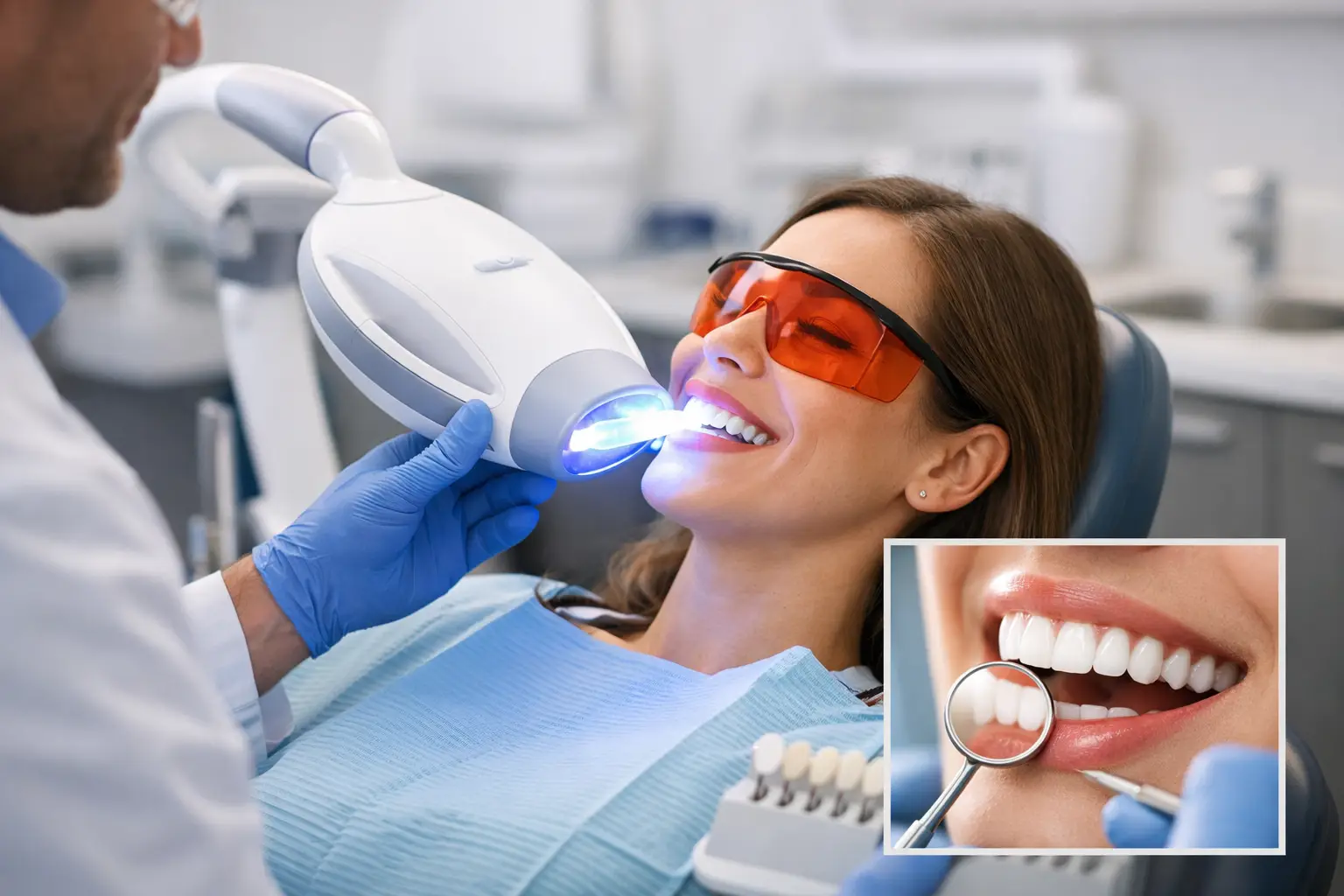
The main attraction of Philips Zoom is speed. Unlike home whitening systems that work gradually over a number of days or weeks, an in-practice appointment is designed to lighten natural tooth colour in a single visit. A whitening gel is placed carefully on the teeth, with the gums protected, and a specially designed light is used to activate the gel in timed stages.
For many people, this is a practical choice when they want a visible improvement without fitting trays into an already busy routine. It can be particularly appealing before an event, provided there is enough time beforehand to assess suitability and allow for any temporary sensitivity to settle.
The treatment is also supervised throughout. Your dentist can check that the gums remain protected, monitor how you are feeling and tailor the appointment where needed. This is a meaningful difference from unregulated whitening products or treatment supplied outside a dental setting.
That said, the best results tend to come from realistic expectations. Philips Zoom can lift staining and lighten the natural shade of teeth, but it does not create an identical result for every smile. Tea, coffee, red wine, smoking and the natural starting colour of your teeth all play a part.
What happens at a Philips Zoom appointment?
A good whitening appointment starts before the gel is applied. Your dentist should examine your teeth and gums, discuss what is bothering you about your smile and make sure there are no issues that need attention first. Active decay, gum inflammation, leaking fillings or significant sensitivity may need treatment or stabilising before whitening is considered.
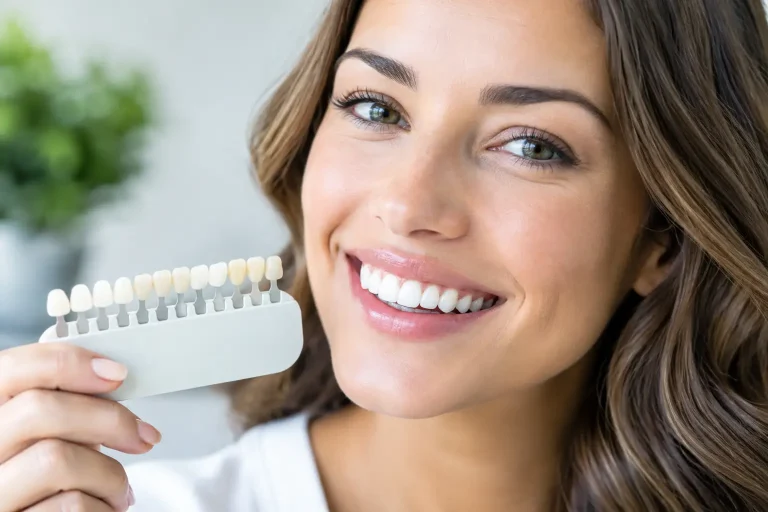
Photographs or a shade guide may be used to record your starting point. This helps make the result easier to assess fairly. People often judge their teeth against the brightest shades they see online, but the more useful measure is how much fresher and brighter your own smile looks while still appearing natural.
During treatment, the lips and gums are protected and whitening gel is applied to the visible front teeth. The Philips Zoom light is used over several short sessions, with fresh gel applied between stages. The clinical team will explain each part as you go, and you can tell them if you experience discomfort.
The appointment length varies according to the agreed plan, but you should allow time for the consultation, preparation and aftercare advice rather than expecting a quick cosmetic appointment. At the end, your dentist will review the shade change and talk through how to look after the result.
How white do teeth get?
This is the question most people ask, and the honest answer is: it depends. Some patients see a dramatic difference, while others achieve a more subtle brightening. Yellow-toned staining often responds well to whitening. Grey, blue or deeply internal discolouration can be more difficult to change.
Whitening also only affects natural tooth enamel. Crowns, veneers, composite bonding and fillings will not become lighter. If you have visible restorations on your front teeth, it is sensible to discuss the final shade before treatment. In some cases, whitening first allows replacement dental work to be colour-matched to your lighter natural teeth afterwards.
A hygienist appointment may be recommended before whitening if there is surface staining or plaque build-up. Cleaning does not whiten the tooth itself, but it can give the treatment a cleaner starting point and help you maintain good gum health.
Sensitivity: the trade-off to understand
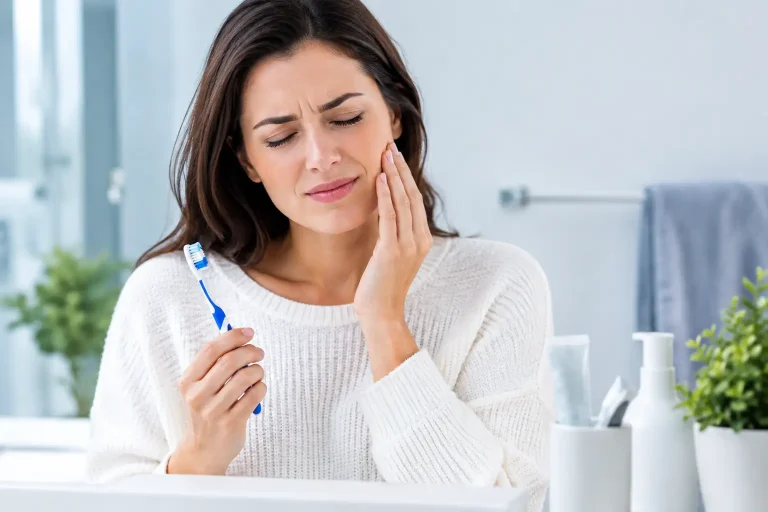
Tooth sensitivity is the most common drawback mentioned in any Philips Zoom whitening review. Some people feel brief tingling or sharp, zapping sensations during or shortly after treatment. Others notice sensitivity when drinking something cold for a day or two. For most patients, it is temporary.
Sensitivity is not a sign that you should simply put up with pain. Tell your dentist if your teeth are already sensitive, if you have exposed root surfaces or if you have experienced discomfort with whitening before. The treatment plan may be adjusted, and your dentist can advise on suitable desensitising products and aftercare.
It is also worth avoiding a common mistake: choosing stronger-looking products without professional advice. More whitening gel or more frequent use does not automatically mean a better result. It can increase irritation and leave you disappointed. A carefully assessed plan is safer and usually more predictable.
Does Philips Zoom whitening last?
No whitening result is permanent, because teeth continue to be exposed to food, drinks and everyday staining. How long the result lasts varies widely with habits and oral care. Someone who drinks several coffees a day or smokes is likely to see staining return sooner than someone with lower exposure to staining substances.
For the first 48 hours after whitening, teeth can be more prone to picking up colour. Your dental team may advise avoiding strongly coloured foods and drinks such as coffee, tea, red wine, cola, curry, berries and tomato-based sauces during this period. If you do have a drink that can stain, using a straw may reduce contact with the front teeth, though water remains the simplest option.
Longer term, brushing twice daily with fluoride toothpaste, cleaning between your teeth and attending regular dental examinations and hygiene appointments all help protect your oral health and keep surface staining under control. Occasional top-up whitening may be appropriate, but the right timing depends on your teeth and the system your dentist recommends.
Who may need a different approach?
Professional whitening is not suitable for everyone straight away. It is generally postponed during pregnancy and breastfeeding, and it is not normally offered to under-18s. People with untreated dental disease, severe enamel wear, cracked teeth or active gum problems should have these concerns assessed first.
It is also not a fix for every type of discolouration. A single tooth that has darkened after trauma or root canal treatment may require a different dental approach. Equally, if the issue is the shape, spacing or edge wear of teeth rather than their colour, whitening alone may not deliver the change you have in mind.
This is why a consultation has value. It gives you space to ask what result is realistic, whether any existing dental work will be noticeable afterwards and what the full cost includes. Clear answers at the outset are better than being surprised later.
Is Philips Zoom worth it?
Philips Zoom can be worth considering if you want professionally supervised whitening with a quicker, noticeable result and you understand that shade improvement varies. It may be less suitable if you are highly prone to sensitivity, have untreated dental concerns or expect restorations to change colour alongside your natural teeth.
For patients in Leytonstone and nearby East London, a consultation at Eyespy Eye and Dental Care can help turn a broad whitening goal into a plan that suits your smile, timeline and budget. The most satisfying whitening results are rarely about reaching the whitest possible shade. They are about achieving a healthy-looking brightness that feels like you, and knowing how to maintain it with confidence.