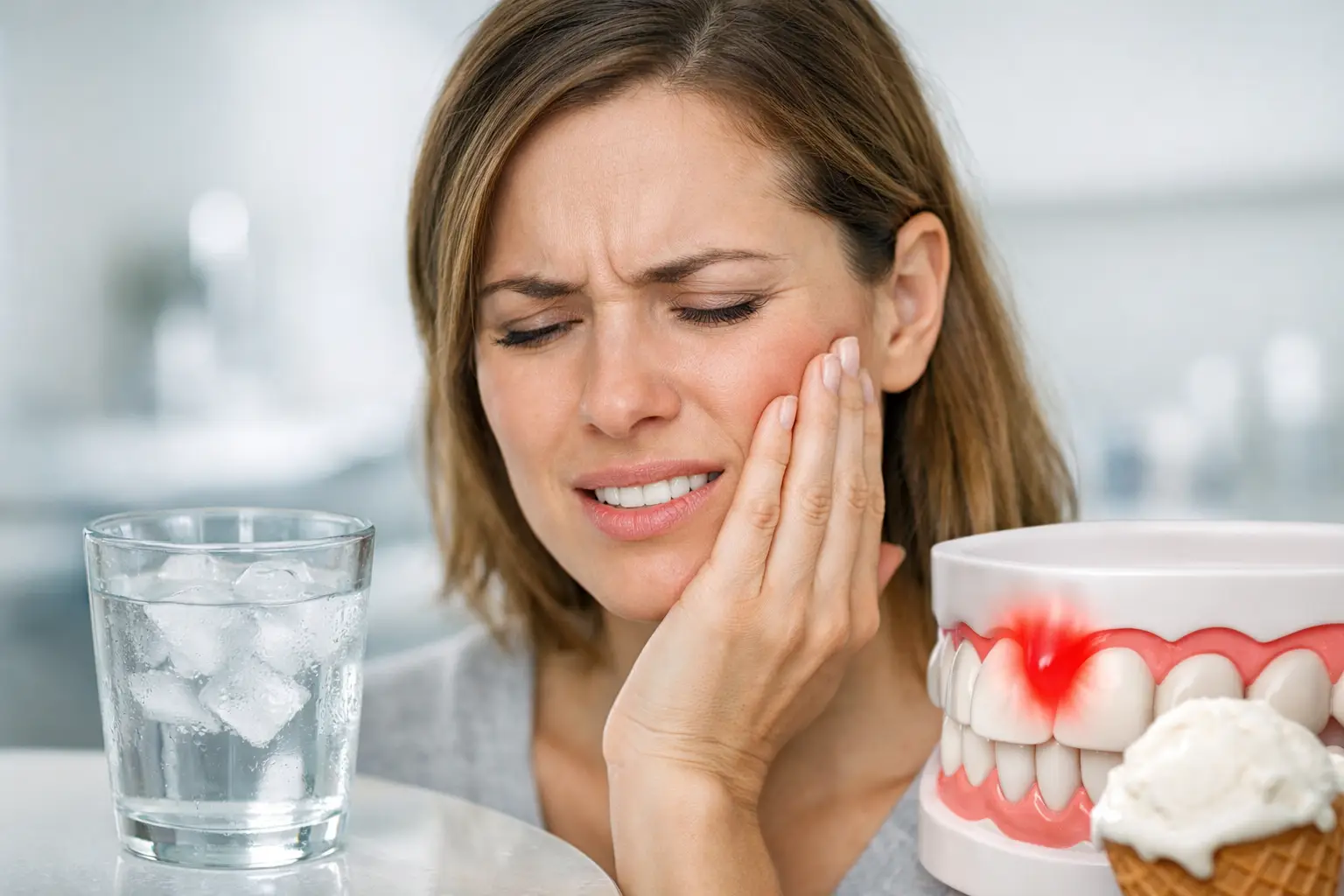
That first sharp twinge usually happens when you are not expecting it – a sip of tea, a spoonful of ice cream, even a breath of cold air on the walk home. If you have found yourself wondering, why are my teeth sensitive, the answer is not always as simple as “you need sensitive toothpaste”. Tooth sensitivity can have several causes, and the right fix depends on what is actually going on.
Some sensitivity is mild and short-lived. Some points to a problem that needs treatment. The key is knowing the difference, so you do not put up with discomfort for months when there may be a straightforward reason behind it.
Why are my teeth sensitive all of a sudden?
Teeth become sensitive when the protective outer layers are worn down, damaged, or no longer covering the more delicate parts of the tooth. Under the enamel is dentine, which contains tiny channels leading towards the nerve. When dentine is exposed, hot, cold, sweet, or acidic foods can trigger that familiar sudden sting.
If the sensitivity seems to have appeared out of nowhere, there is usually a trigger. It might be a recent change in your routine, such as brushing harder, starting a whitening product, or eating more acidic foods. It can also happen because of a developing dental problem, including decay, a cracked tooth, gum recession, or wear from grinding.
This is why sensitivity is worth paying attention to. It is a symptom rather than a diagnosis.
The most common causes of sensitive teeth
One of the most common reasons is enamel wear. Enamel is strong, but it is not indestructible. Over time, frequent fizzy drinks, fruit juices, citrus fruits, or acidic snacks can soften and thin it. Brushing straight after something acidic can make that worse, because the enamel is more vulnerable in that moment.
Brushing technique matters as well. Many people assume that brushing harder means brushing better, but aggressive brushing can wear enamel near the gumline and irritate the gums. A hard-bristled brush can add to the problem. In practice, a gentle technique with a soft brush usually does a better job.
Gum recession is another frequent cause. As gums pull back, the roots of the teeth can become exposed. Root surfaces do not have the same enamel protection as the crown of the tooth, so they tend to be much more sensitive. Receding gums may be linked to gum disease, brushing habits, or simply natural changes over time.
Tooth decay can also cause sensitivity, especially if it creates a weak spot or cavity. In the early stages, you might notice discomfort with sweet foods or cold drinks. As decay gets deeper, the pain may become more persistent.
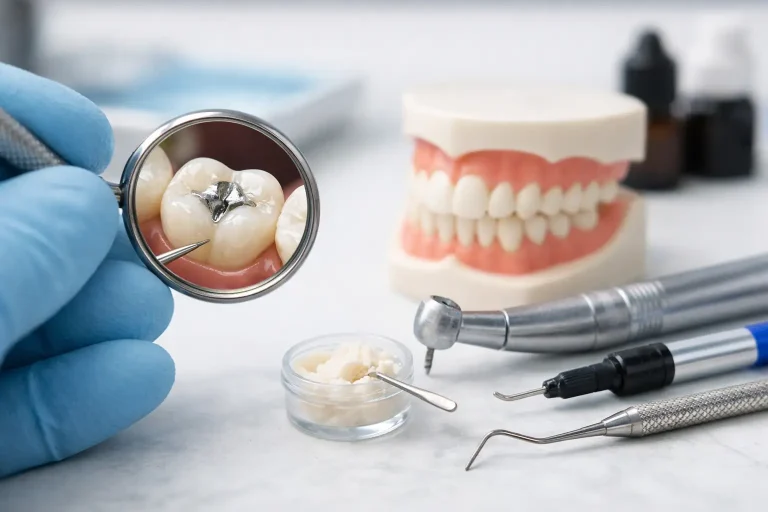
Sometimes the issue is a cracked tooth or a leaky filling. Even a small crack can make a tooth react sharply when you bite or drink something cold. Old fillings can also wear out, allowing sensitivity to develop around the edges.
Teeth grinding, often during sleep, is another possibility. Grinding puts repeated pressure on teeth and can wear surfaces down gradually. Many people do not realise they grind until they notice jaw tension, flattened teeth, or sensitivity.
Sensitive teeth after whitening
Whitening is a very common cause of temporary sensitivity. This does not necessarily mean anything has gone wrong. Whitening products work by penetrating the tooth structure, and that can irritate the nerve for a short time.
For many people, the sensitivity settles once treatment stops or the spacing between sessions is adjusted. The important point is that whitening should be carried out with proper guidance, especially if you already have exposed roots, worn enamel, or untreated dental problems. Whitening a tooth that has decay or a crack will not solve the underlying issue, and may make discomfort more noticeable.
Why only one tooth feels sensitive
When several teeth feel sensitive, the cause is often general enamel wear, gum recession, or brushing habits. When it is just one tooth, the cause is more likely to be localised.
That could mean a cavity, a crack, a failing filling, or irritation around the gum next to that tooth. Sensitivity in one tooth after biting can be particularly worth checking, because it may point to a structural problem rather than general sensitivity.
This is one of those situations where “it depends” really matters. A sensitive front tooth and a sensitive molar can have very different causes, even if the feeling seems similar.
What can help at home
If the sensitivity is mild, there are sensible steps that can help calm it down. A toothpaste designed for sensitive teeth can reduce symptoms, but it usually needs regular use over several days or weeks rather than one or two brushes. Switching to a soft-bristled toothbrush and using a lighter hand can also make a real difference.
It is worth looking at your diet too. If you sip acidic drinks throughout the day, your teeth have less chance to recover. Having them with meals rather than grazing on them, and rinsing with water afterwards, can be kinder to your enamel. Try not to brush immediately after acidic food or drink. Waiting around half an hour is usually better.
If you grind your teeth, especially at night, the answer is less likely to be found in the toothpaste aisle. In that case, a dental assessment is the best next step so the cause and the wear pattern can be properly checked.
When sensitivity means you should book an appointment
A short-lived twinge is not always urgent, but some signs should not be ignored. If sensitivity is getting worse, lingering after hot or cold food, waking you at night, or affecting just one tooth, it is sensible to have it examined. The same applies if there is visible damage, gum swelling, bleeding, or pain when biting.
Persistent sensitivity sometimes means the nerve inside the tooth is becoming more irritated. At that stage, leaving it alone rarely makes life easier. The sooner the cause is identified, the more straightforward treatment often is.
For some patients, the solution is simple – a change in brushing habits, a desensitising toothpaste, or protective advice around diet. For others, the answer may be a filling, treatment for gum problems, or repairing a damaged tooth. What matters is getting a clear explanation of what is causing the symptom rather than guessing.
Why are my teeth sensitive if they look fine?
This is a question dentists hear often. Teeth can look perfectly normal in the mirror and still be sensitive. Early enamel wear, exposed root surfaces, tiny cracks, and small areas of decay are not always obvious at home. Some causes sit right at the gumline or between teeth, where they are easy to miss.
That is why a proper examination matters. Sensitivity is not always visible, but it is still real.
Can sensitive teeth settle on their own?
Sometimes, yes. If the trigger is temporary, such as recent whitening or brushing too hard for a period of time, sensitivity may improve once the irritation stops. But if the underlying cause is decay, a crack, gum disease, or ongoing enamel erosion, it is less likely to settle without the reason being addressed.
There is also a trade-off in waiting too long. You may avoid an appointment now, only to need more treatment later if a small problem progresses.
A sensible next step
If you are asking, why are my teeth sensitive, the most useful approach is not to assume all sensitivity is normal, and not to panic either. Teeth can become sensitive for very ordinary reasons, but they can also be signalling that they need attention.
At a local practice such as Eyespy Eye and Dental Care, the goal is not to rush you into treatment. It is to work out what is causing the discomfort, explain it clearly, and help you choose the right next step with confidence. A sensitive tooth is often easier to deal with when it is checked early, before a passing twinge turns into something that starts dictating what you can eat, drink, or enjoy.