A missing tooth can change more than the way your smile looks in photographs. It may affect how confidently you speak, what you feel comfortable eating and how the remaining teeth meet when you bite. This guide to replacing lost teeth explains the main options, the decisions that matter and how to take the next step without feeling rushed.
If a tooth has just been knocked out, particularly following an accident, seek urgent dental advice straight away. For an adult tooth, handle it by the crown rather than the root, avoid scrubbing it and keep it moist in milk or saliva if possible. Fast action may sometimes make reimplantation possible. A tooth that has been missing for weeks, months or years needs a different conversation: one centred on restoring function, appearance and long-term oral health.
Why replacing a missing tooth can matter
There is no single rule that says every lost tooth must be replaced. It depends on where the gap is, the health of your mouth, your bite and what feels right for you. A back tooth may be less visible, for example, but it still helps distribute the pressure of chewing.
Over time, teeth beside a gap can lean into the space and the opposing tooth may move down or up because it no longer has a partner to bite against. This can make cleaning more difficult and may alter your bite. Where several teeth are missing, eating a varied diet and speaking clearly can become harder too.
The emotional side is just as real. Many patients become practised at covering their mouth when they laugh or avoiding certain foods when they are out. Replacing a tooth is not about chasing a perfect smile. It is about having a solution that feels secure, natural and appropriate for your life.
A guide to replacing lost teeth: your main options
A careful assessment is the starting point. Your dentist will look at the health of your gums and remaining teeth, assess the space available, review your bite and, where needed, take X-rays. The right treatment is rarely decided by the gap alone.
Dental implants
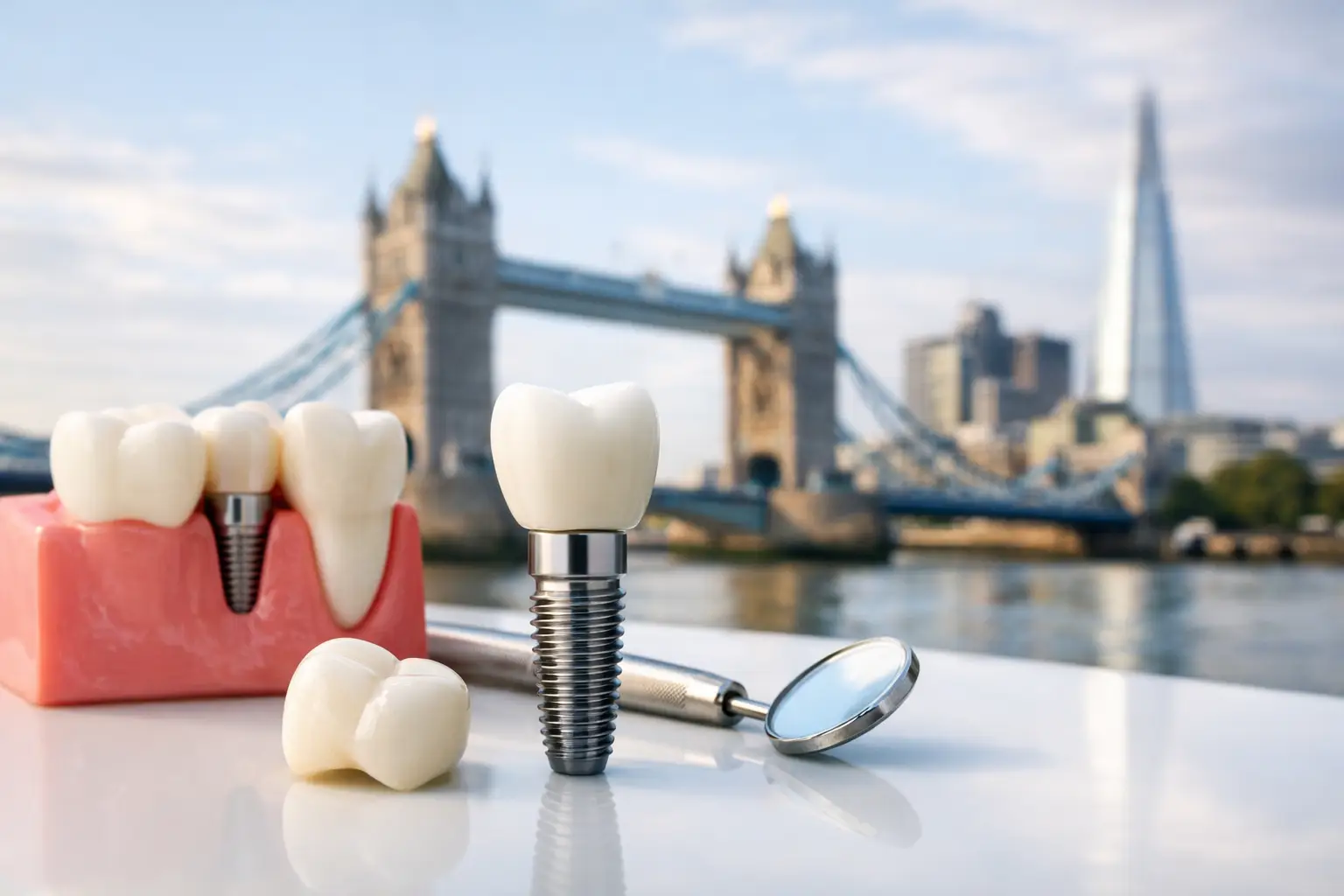
A dental implant replaces the root of a missing tooth with a small titanium post placed in the jawbone. Once it has healed and integrated with the bone, it can support a crown designed to match neighbouring teeth. Implants can also be used as part of a plan to replace more than one tooth.
For many people, the key benefit is independence from the teeth next door. Unlike a conventional bridge, an implant does not usually require those neighbouring teeth to be shaped down. It is fixed in place, so it can feel reassuringly stable when eating and speaking.
However, implants are a treatment journey rather than a quick fix. Healing time is necessary, and not everyone is immediately suitable. Gum disease must be under control, smoking can affect healing, and the amount of available bone needs to be assessed. In some cases, additional preparatory treatment may be needed before an implant can be considered. Good daily cleaning and regular reviews remain essential after treatment.
Dental bridges
A bridge fills a gap by attaching a replacement tooth to the teeth on either side, or in some cases to one adjacent tooth. It is fixed in place and can be a good option when the neighbouring teeth already need crowns or substantial restoration.
A traditional bridge can provide a natural-looking result, particularly for a visible gap, but it may involve preparing adjacent teeth. A resin-bonded bridge, often used for a front tooth, can require less alteration to neighbouring teeth but is not suitable for every bite or position. Your dentist can explain which design is likely to offer the best balance of appearance, strength and tooth preservation.
Removable dentures
A partial denture replaces one or more missing teeth and can be taken out for cleaning. Modern dentures can be far more discreet and comfortable than many people expect, especially when they are carefully designed and adjusted.
Dentures may be a practical choice where several teeth are missing, where surgery is not suitable or where a patient prefers a lower initial cost. They do take time to get used to, and they may feel less fixed than an implant or bridge. Fit can also change as the gums and bone beneath them alter over time, so occasional adjustments or replacement may be needed.
How to decide which option suits you
The best choice is not always the most expensive one, nor is it necessarily the treatment a friend has had. It should make sense for your mouth, priorities and budget. During a consultation, it helps to be open about what matters most to you: preserving healthy teeth, avoiding removable appliances, completing treatment within a certain timeframe or keeping monthly costs manageable.
Ask how each option is likely to feel day to day, how long it is expected to last with good care, and what maintenance it needs. It is also sensible to ask what happens if a repair is required in future. Clear answers make it easier to compare options fairly.
Cost deserves a straightforward discussion too. The total can vary depending on the number and position of missing teeth, any treatment needed beforehand and the materials used. A written treatment plan should set out the stages and fees clearly. If spreading the cost would help, ask whether 0% finance is available and whether you meet the relevant eligibility criteria.
Prepare your mouth for a lasting result
Replacing a tooth works best when the foundation is healthy. If decay, active gum disease or an infection is present, these issues need attention first. This is not a delay for delay’s sake. A new crown, bridge or implant needs healthy surrounding tissues to have the best chance of lasting well.
Your dentist may also recommend a hygienist visit before or during treatment. Removing plaque and hardened deposits, improving brushing technique and cleaning between teeth can protect both your natural teeth and your new restoration. For implants especially, excellent gum care is a lifelong commitment.
It is worth mentioning any concerns about dental treatment early. Whether you have had a difficult experience elsewhere, feel anxious about injections or simply want to understand each stage before agreeing, a patient-centred practice should make space for that conversation. Knowing what will happen, and why, can make a major difference to how manageable treatment feels.
Looking after your replacement tooth
A replacement tooth cannot decay in the same way as a natural tooth, but the teeth and gums around it certainly can. Brush twice daily with fluoride toothpaste, clean carefully between teeth and attend regular dental examinations. Your clinician may show you particular brushes or cleaning aids for around a bridge or implant, as these areas need focused attention.
Try not to use teeth to open packaging or bite hard objects, and tell your dentist if you grind or clench at night. A protective night guard may be advised where excessive pressure could damage teeth or restorations. Regular checks allow small changes, such as a loose bridge, worn crown or sore denture area, to be dealt with before they become more troublesome.
Taking the first step locally
If you are living in Leytonstone or nearby East London, a consultation gives you the chance to discuss the gap, examine the health of your mouth and understand the realistic choices available. At Eyespy Eye and Dental Care, the aim is to explain treatment in plain language, with a plan built around your clinical needs and personal priorities rather than pressure.
You do not need to have already decided on implants, a bridge or a denture before you book. Bring your questions, be honest about your concerns and ask for time to consider the plan. The right replacement is one that helps you eat, speak and smile with greater ease – and that you can care for confidently for years to come.